Trying to choose between a Fishtown condo and a classic Philly rowhome? You are not alone. Many buyers love Fishtown’s walkability, restaurants, and easy transit, but the right home style depends on how you live, what you value, and how you plan to finance. In this guide, you will learn how inventory differs, what features command premiums, how seasonality impacts your timing, and how to compare comps like a local. Let’s dive in.
Why Fishtown attracts both buyers
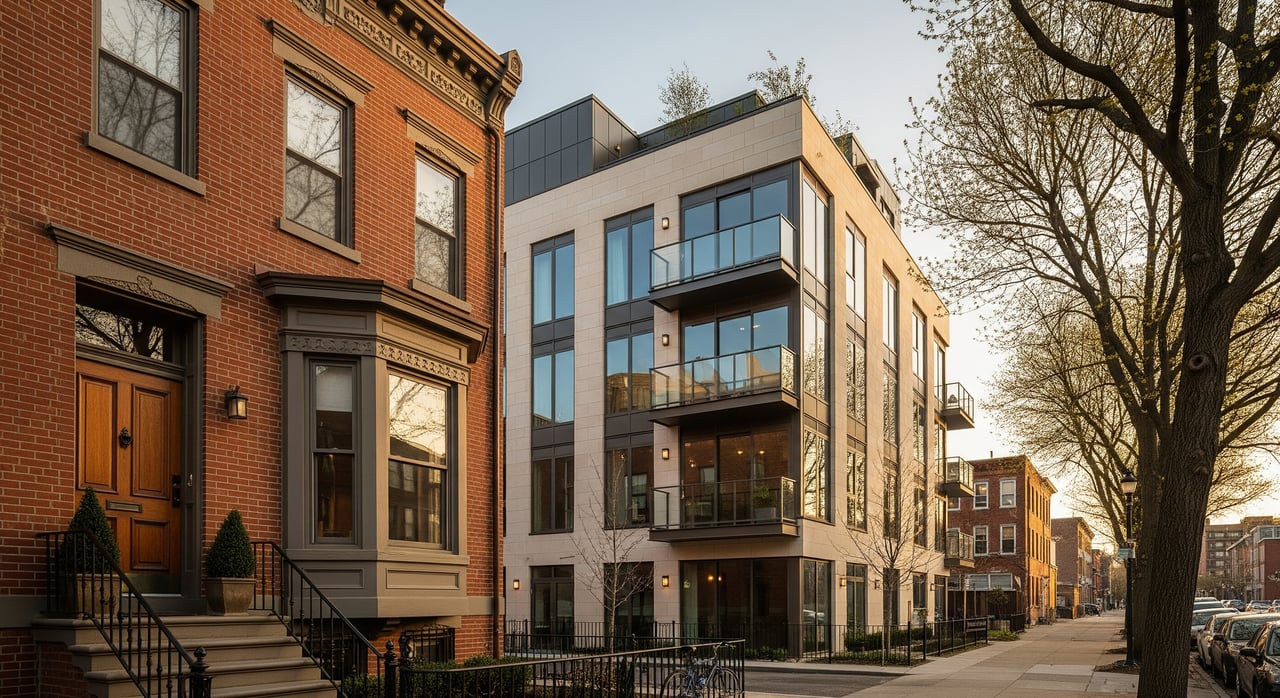
Fishtown blends historic brick rowhomes with new infill like boutique condos and modern townhouses. The neighborhood’s location near Center City, strong nightlife, and access to transit keep demand steady across home types. Post‑pandemic shifts briefly favored larger layouts, yet Fishtown’s appeal to renters and young professionals sustained interest in low‑maintenance condos and renovated rowhomes alike.
What matters most is not the label on the property. Condition, layout, and private space often drive price and speed more than whether a home is a condo or a rowhome.
Fishtown inventory at a glance
Fishtown offers a broad mix, from starter condos to expanded rowhouses with modern amenities. Here is what you will see on the market.
Classic rowhomes
- Late‑19th to early‑20th‑century attached brick homes on narrow lots.
- Many unrenovated homes have smaller kitchens, partial basements, and older systems. Buyers often plan upgrades.
Renovated or modern rowhomes
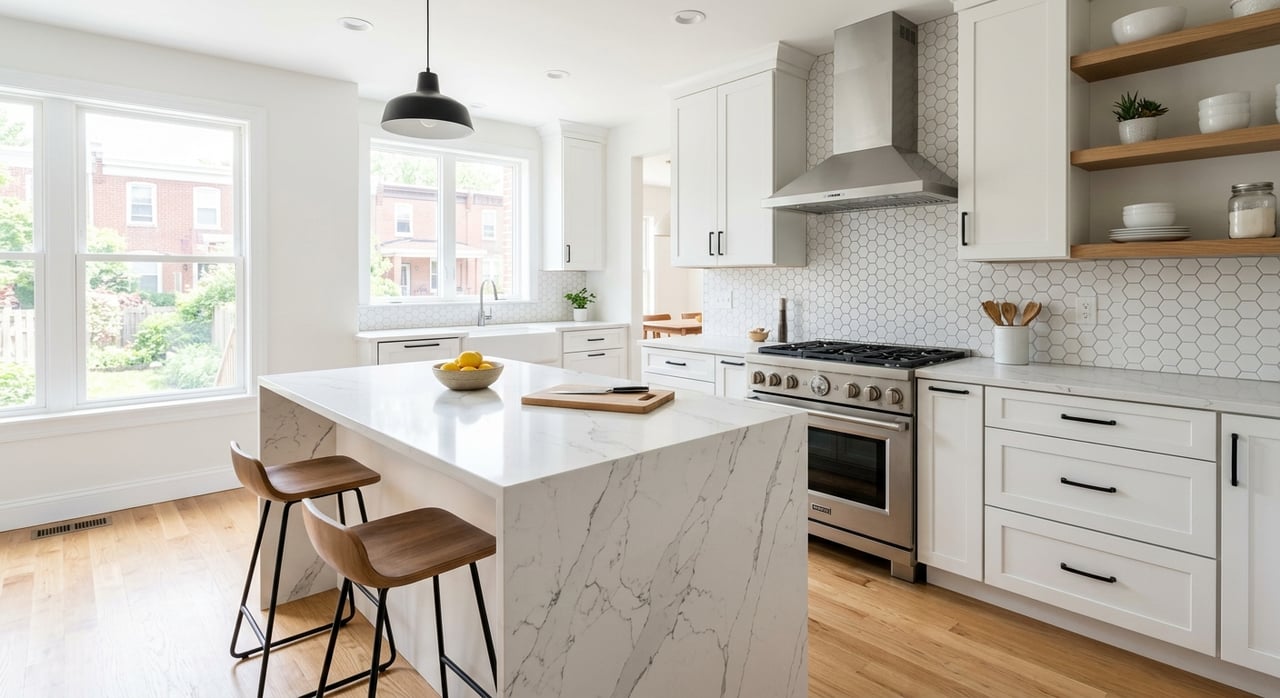
- Open kitchens, quartz or granite counters, engineered hardwood, and updated HVAC.
- Finished basements, skylights, roof decks, and rear yards are common in full gut rehabs.
- These command a premium when move‑in ready.
Condos and stacked units
- Boutique conversions and new mid‑rise buildings with open layouts and in‑unit laundry.
- Rooftop decks or balconies are common; some buildings have elevators.
- HOA fees cover building maintenance and reserves, which influence affordability and financing.
Parking and outdoor space
- Deeded garages and off‑street parking are scarce in older stock and are priced at a premium.
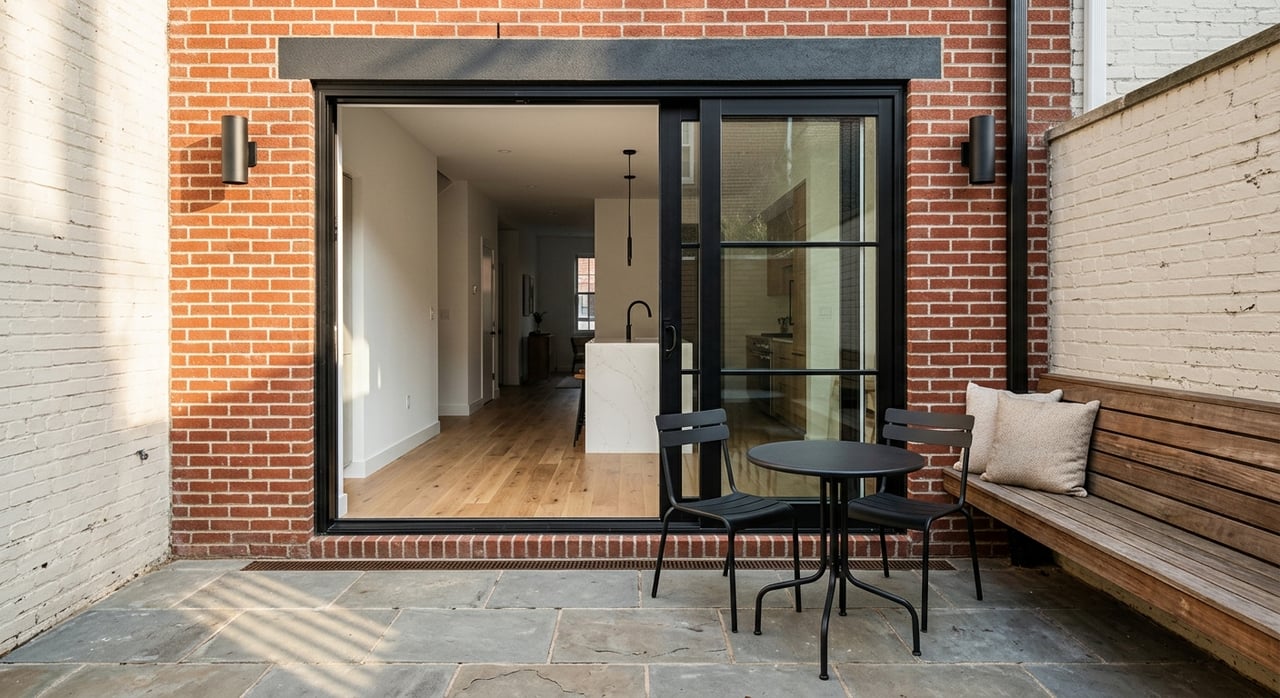
- Private outdoor spaces such as roof decks, balconies, or yards are heavily valued.
What drives premiums in Fishtown
Pricing comes down to real utility and lifestyle value. These features deliver consistent lift across both condos and rowhomes.
Condition and finishes
- Turn‑key interiors with modern kitchens and baths bring higher offers.
- Stone counters, contemporary lighting, and professional‑grade appliances help listings stand out.
Usable space and layout
- More bedrooms, a dedicated office, and a finished basement expand your options for work and play.
- Larger footprints from lot combinations or rear additions are rare and command notable premiums.
Outdoor space
- Private roof decks with views, rear yards, and balconies make daily living feel bigger and more flexible.
Parking
- Deeded or off‑street parking is scarce and can be a deciding factor for many buyers.
Location within Fishtown
- Blocks near commercial corridors, restaurants, and transit tend to draw stronger demand.
- Homes next to busier arteries or industrial parcels may trade at a discount.
Condo building factors
- Lower HOA fees, healthy reserves, and higher owner‑occupancy rates support demand and financing.
- Special assessments or high fees can pressure pricing and should factor into your analysis.
Historic charm vs. modern systems
- Some buyers pay up for preserved millwork and exposed brick. Others prefer brand‑new systems and sleek finishes. Your target buyer segment will determine which path wins.
Who buys what, and why
Understanding buyer segments helps you predict where competition will be strongest.
Young professionals and couples
- Often favor condos or smaller renovated rowhomes near restaurants and transit.
- Priorities include low maintenance and walkability.
Growing households
- Look for 3‑plus bedroom rowhomes with finished basements and outdoor space.
- Willing to pay for extra square footage, bedrooms, and private yards.
Investors and landlords
- Focus on units with stable rental demand and functional layouts.
- Interest varies with rental regulations and financing costs.
Empty‑nesters and second‑home buyers
- May choose luxury condos or high‑end rowhomes for ease of living and nearby amenities.
Financing and monthly cost factors
Your monthly housing cost includes principal and interest, taxes, insurance, utilities, and any HOA fees.
- Condo financing can be more complex. Lenders review building reserves, insurance, litigation, and owner‑occupancy rates. Buildings with high investor ratios or weak financials may face stricter loan options.
- Rowhomes typically follow a straightforward single‑family loan process.
- HOA fees matter. Lower fees and strong reserves help demand. High fees or assessments can reduce buyer pools and may affect appraisals.
If you need to research building and block details, the City of Philadelphia offers helpful resources. You can review permit history and violations through the city’s Atlas portal under the Department of Licenses and Inspections. Explore permit records using the city’s permit and property map on Philadelphia’s Atlas for permit history. You can verify assessments and property characteristics using the Philadelphia Property Search. For transit context, review routes on the SEPTA transit maps. For neighborhood planning references, check the Philadelphia City Planning Commission. For broader housing context by structure type and household size, explore the American Community Survey and local coverage from the Philadelphia Inquirer real estate section.
Seasonality and strategy
Timing still matters in Fishtown.
Pricing expectations
- Condition and usable square footage drive value more than property label. Turn‑key renovated rowhomes and new‑construction condos can often push pricing.
- Fixer‑upper rowhomes trade at a discount that reflects renovation cost and timeline.
When to list or shop
- Spring and early summer bring the most active listing volume and buyer traffic. Well‑priced homes can draw multiple offers.
- Late fall and winter may give buyers more negotiating power, though quality inventory is thinner.
- Interest rate shifts affect purchasing power citywide. Lower rates can re‑ignite competition.
Negotiation levers
- For condos: request building budgets, reserve summaries, and owner‑occupancy data early. High fees or pending assessments can be powerful negotiation points.
- For rowhomes: inspections often focus on roof, structure, electrical, plumbing, and HVAC. Repair credits or targeted fixes are common.
How to comp Fishtown like a local
When you compare sales, align by real utility, not just property label. Build your comp set with these data points and adjust accordingly.
- Property type and, for condos, the floor level and elevator access
- Condition and scope of updates, including renovation year
- Finished interior area, bed and bath count, and ceiling heights
- Lot size and private outdoor space such as roof decks, yards, or balconies
- Parking details and whether it is deeded
- Basement finish level, ceiling height, and egress
- Sale date and days on market for speed context
- Price per finished square foot and list‑to‑sale ratio
- HOA fees for condos and what is included
- Year built and system updates for roof, HVAC, electrical, and plumbing
- Block‑level context such as proximity to commercial corridors, transit, parks, or nuisance sites
- Unique features such as historic details, skylights, and accessibility
Adjustment tips:
- Add value for parking, private outdoor space, extra bedrooms, and larger footprints.
- Subtract for deferred maintenance, very small lots, or missing egress in finished basements.
- For condos, adjust for higher HOA fees, anticipated assessments, or lack of parking.
Due diligence that protects value
A clean file reduces surprises and keeps deals on track. Build these checks into your plan.
- Condo documents: review master insurance, budgets, reserves, owner‑occupancy, rental rules, litigation, and any planned capital projects.
- Permits and certificates: confirm permits and the Certificate of Occupancy for roof decks, additions, and basement conversions. Check records via Philadelphia’s Atlas for permit history.
- Property taxes: verify assessed value and tax history on the Philadelphia Property Search.
- Flood and sewer risk: ask about past backups and review seller disclosures. Consider local reports and city resources when evaluating block conditions.
- Historic or conservation rules: understand any exterior change limits that could affect future projects.
Condos vs. rowhomes: which fits you
Use your must‑have list to decide. Focus on usability and cost, not just style.
Choose a condo if you want:
- Lower exterior maintenance and shared building care
- Turn‑key finishes in a smaller footprint
- An elevator or a single‑level layout in some buildings
Choose a rowhome if you want:
- More bedrooms, a finished basement, and flexible space
- A private yard or roof deck and better privacy
- Easier financing and no monthly HOA fees
If you are split, compare total monthly costs and the value of extra space, outdoor areas, and parking. Many buyers happily trade some square footage for low maintenance, while others pay up for a finished basement and a yard.
Your next move
Whether you are buying your first condo or pricing a renovated rowhome, local context matters. Our team helps you prioritize the features that bring real value in Fishtown, structure a winning offer in peak season, and prepare clean, compelling listings that stand out. If you want a clear plan tailored to your goals, connect with Best Philly Homes. Get your free home valuation.
FAQs
What is the key difference between Fishtown condos and rowhomes?
- Condos offer shared building maintenance and smaller, turn‑key layouts, while rowhomes provide more private space, flexible basements, and outdoor areas with fewer financing hurdles.
Are Fishtown condos harder to finance than rowhomes?
- Sometimes. Lenders review condo budgets, reserves, and owner‑occupancy. Buildings with weak financials or high investor ratios can face stricter loan options compared to single‑family rowhomes.
When is the best time to buy or sell in Fishtown?
- Spring and early summer bring the most new listings and buyer activity. Late fall and winter can offer more negotiating room but with leaner inventory.
How do HOA fees affect condo affordability in Fishtown?
- HOA fees add to monthly costs and can impact loan approvals. Lower fees and strong reserves support demand, while high fees or assessments can suppress pricing.
What features add the most value in Fishtown homes?
- Turn‑key condition, larger usable layouts, private outdoor space, and deeded parking consistently command premiums in both condos and rowhomes.
How can I check permits and property taxes before making an offer?