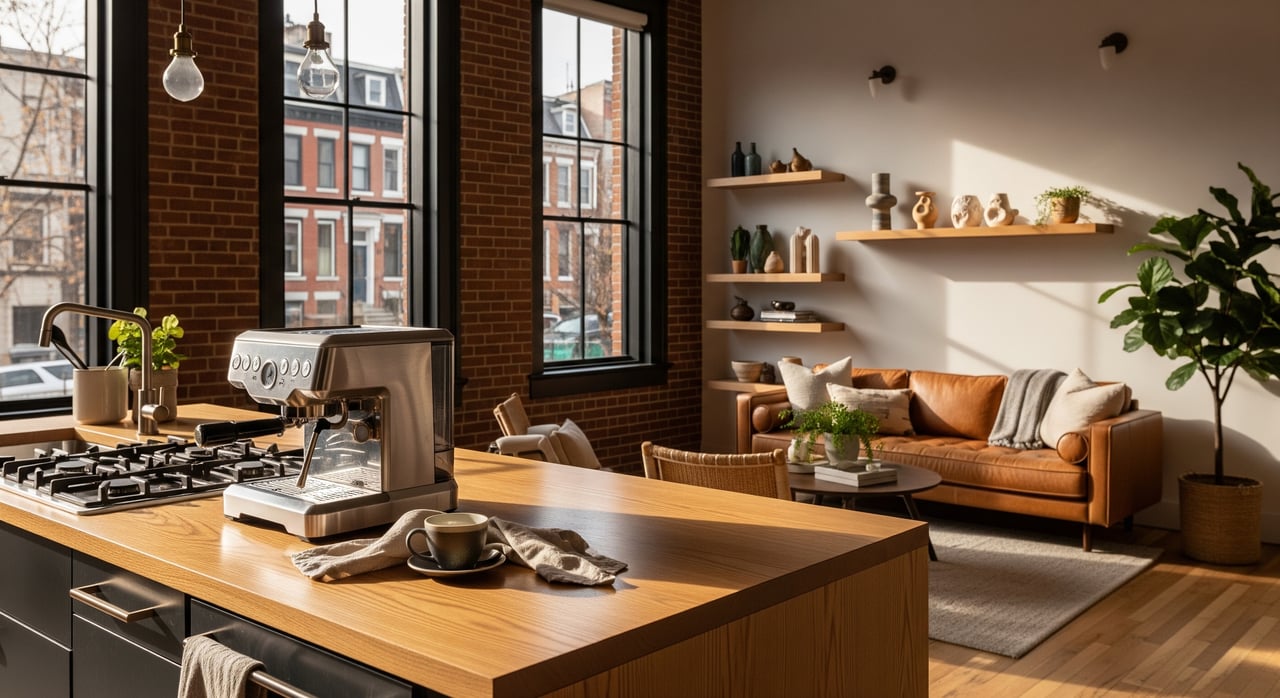
Living in Fishtown Philadelphia: Coffee, Culture & Homes
February 5, 2026
February 5, 2026
Thinking about a neighborhood where your morning latte, evening show, and weekend river walk are all just a short stroll away? If you’re drawn to street energy and the character of brick rowhomes mixed with creative new spaces, Fishtown might be your spot. You want a realistic view of daily life, housing, transit, and what to expect as a buyer or seller. This guide walks you through the essentials so you can decide with confidence. Let’s dive in.
Fishtown blends historic charm with modern energy. You’ll see older rowhouse blocks next to converted warehouses and new townhomes, plus lively stretches along Frankford and Girard Avenues and Front Street. The vibe leans creative and food-forward with a strong music scene.
If you enjoy independent cafés, chef-driven dining, and late-night options, you’ll find plenty happening. At the same time, quieter residential blocks sit just a few minutes off the main corridors, offering a more relaxed pace. Expect a neighborhood that changes by the block and time of day.
Walkability is a big part of living here. Many daily needs are within a short walk in central Fishtown, especially near the main corridors. Side streets tend to be narrower with stoops, parked cars, and a steady flow of neighbors out walking dogs or grabbing coffee.
You’ll find community events throughout the year. Porch concerts, markets, and seasonal pop-ups bring people together and keep the neighborhood feeling connected. If you want a place with both activity and community identity, this checks the box.
Independent cafés and local roasters shape the daily rhythm. Many double as casual workspaces, which appeals if you spend part of your week remote. New concepts open often, keeping the scene fresh.
The local music scene runs strong, with small to mid-size venues and bars hosting shows. Evenings on the main corridors can be lively, especially on weekends. If you prefer a calm night, living a few blocks off the action can make a big difference.
Dining ranges from relaxed neighborhood staples to notable chef-led spots. Retail leans local with boutiques and personal-service shops, and you’ll find specialty grocers and markets sprinkled in. Availability varies by block, so a quick walk is the best way to learn what’s closest to you.
Fishtown’s proximity to the Delaware River gives you easy access to trails and growing green spaces along the waterfront. It’s great for running, biking, and fresh-air time. Within the neighborhood, small parks and playgrounds fill the gaps, while larger parks are a short ride away.
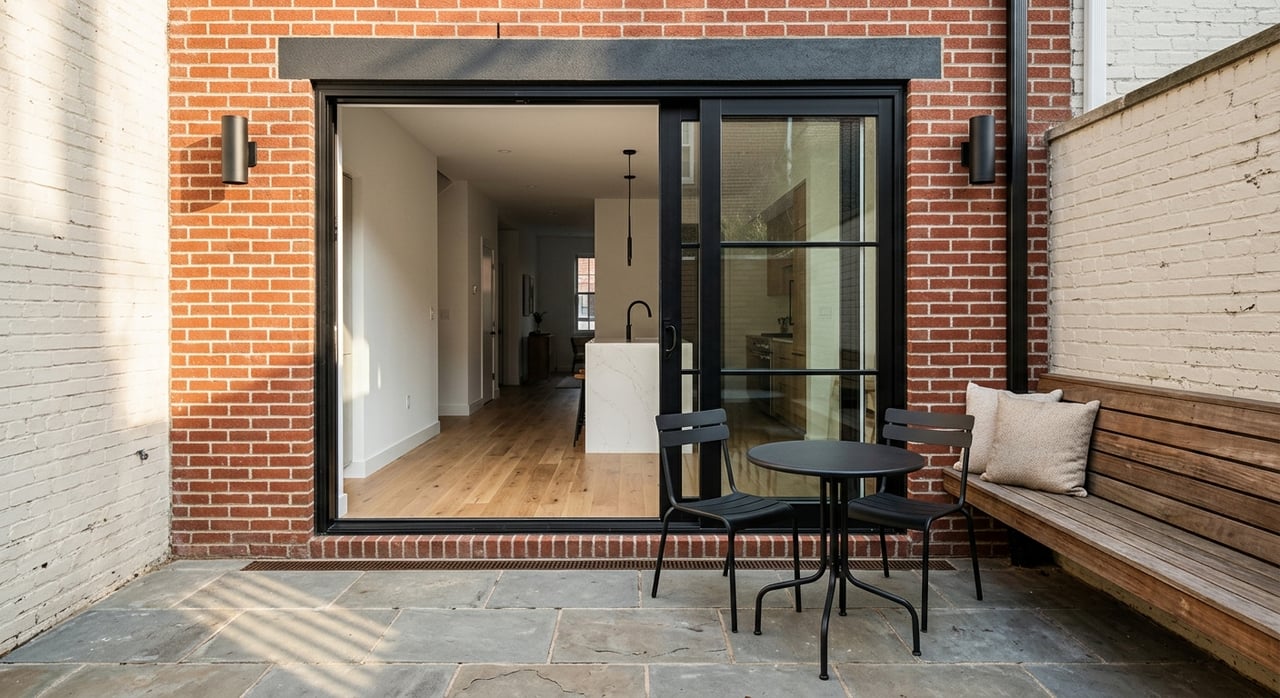
Nineteenth and early 20th-century rowhomes dominate. Many have been updated with modern kitchens and baths while keeping details like woodwork or tall ceilings. Layouts are vertical across several floors, and outdoor space tends to be modest.
Common inspection items in older homes include foundation settling, brick pointing, roof wear, and older plumbing or electrical in unrenovated properties. Basements may show moisture, so plan for drainage and ventilation checks.
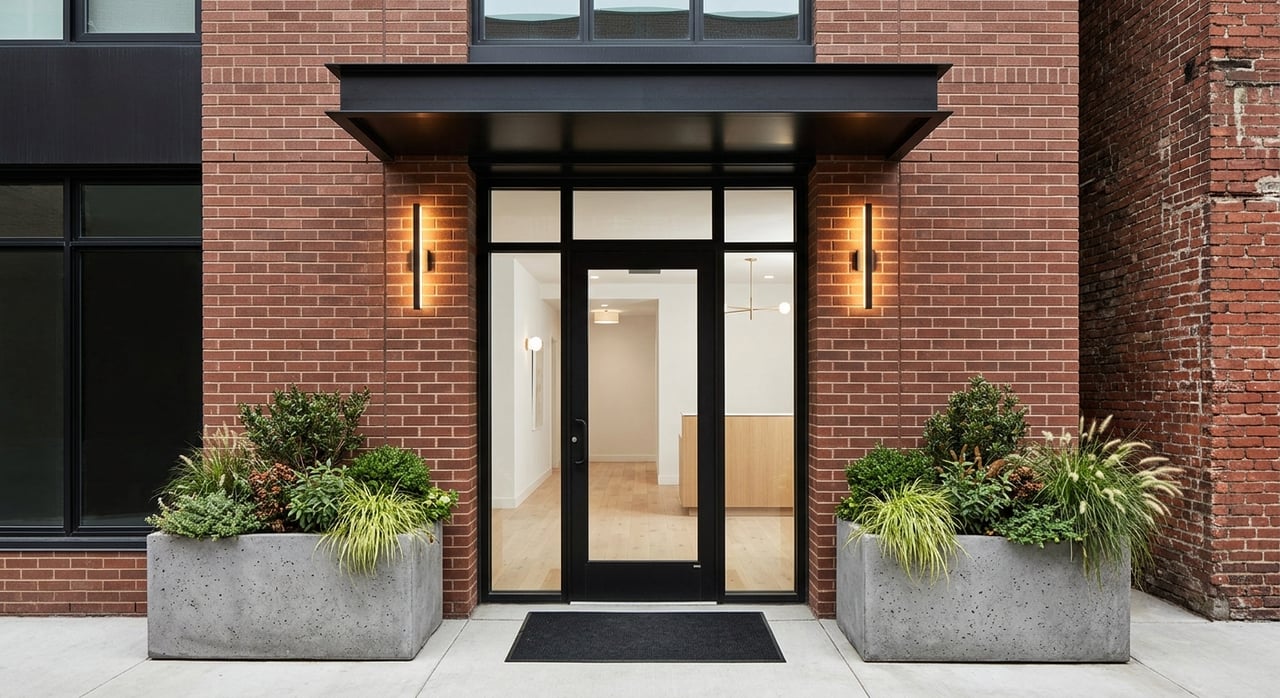
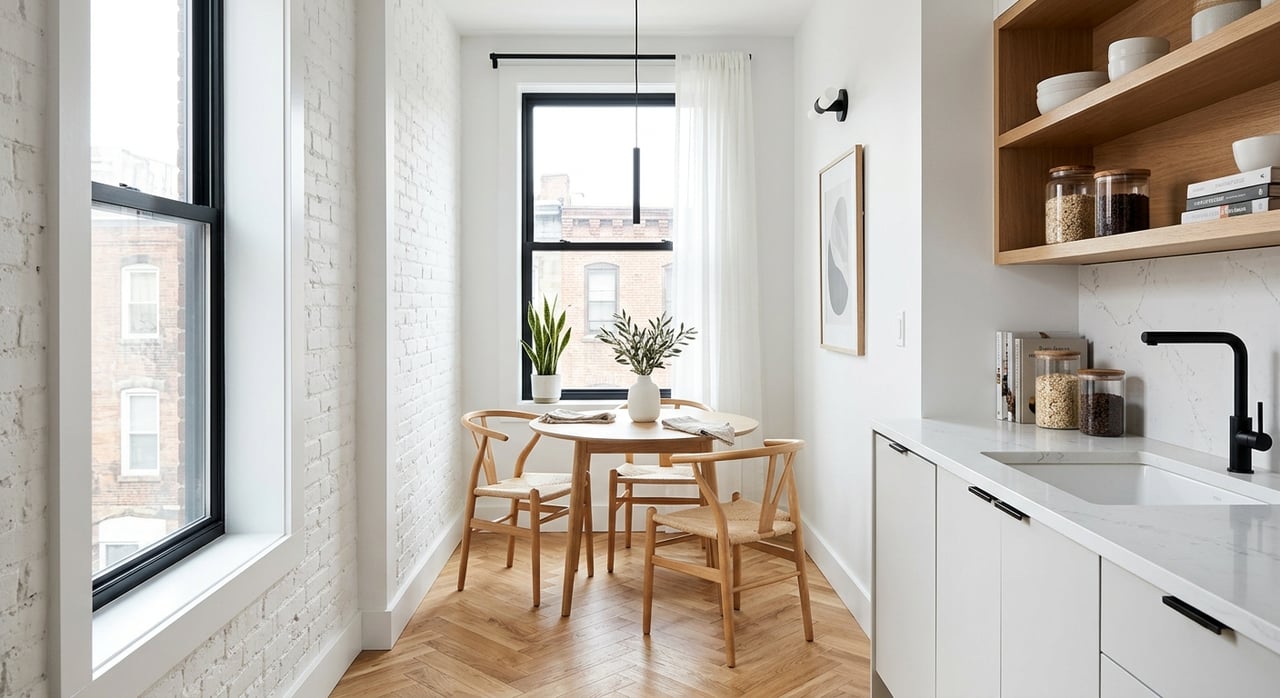
Fishtown’s industrial past lives on in converted factories and warehouses now offering loft-style condos. Expect higher ceilings, open plans, and a different feel than a traditional rowhome. If you’re looking at condos, review association financials, rules, and reserves as part of your due diligence.
Modern townhomes and mixed-use buildings have risen steadily over the past decade. Many offer contemporary finishes, roof decks, and sometimes off-street parking or garages. These can be appealing if you want space, newer systems, and low-maintenance living.
Prices shift block by block, and recent renovations, river proximity, and transit access all matter. Use these rough bands as a starting point, then confirm with real-time MLS data when you’re ready to shop:
Treat these as guideposts, not guarantees. When you get serious, ask for a micro-location analysis because values can shift within a couple of blocks.
Fishtown offers solid transit access. The Market-Frankford Line serves the area with stations at or near Girard and Berks, and several bus lines cross the neighborhood. Center City commutes are typically short, whether you take the El, bike, drive, or ride-hail.
Cycling has become more common thanks to bike lanes on arterial streets and connections to river trails. If you prefer to stay car-free, you’ll find it manageable for many daily needs, especially near the main corridors.
On-street parking is the norm. Some homes include rear garages or parking pads, but many residents rely on street parking or nearby paid options. Plan for permit rules, occasional congestion, and busier nights around entertainment corridors.
Fishtown’s household mix is evolving, with more young families choosing the area. School assignments in Philadelphia depend on your address, and options can include neighborhood public schools, charters, and a range of private or independent schools in the broader area. Always confirm assignments, transportation, and capacity before you commit to an address.
Daycare and preschool options exist within and around the neighborhood, but waitlists can vary. If childcare is central to your move, start calling early and ask about availability.
Playgrounds, family-friendly cafés, and community events make weekends easy to fill. Grocery and healthcare access are generally adequate, though you may prioritize certain blocks to be closer to larger supermarkets or clinics that matter to you.
As with most city neighborhoods, experiences vary by block and time of day. Main corridors can be busier and louder at night. If safety is a key concern for you, visit at different times and review official crime maps to understand recent trends.
Fishtown has transformed in the last 15 to 20 years. New construction, converted buildings, and a strong hospitality scene have lifted the area, while also raising conversations about development scale, parking, and community impact. Active civic associations give neighbors a voice in what happens next.
Older rowhomes are a big part of Fishtown’s charm. To protect your budget and timeline, plan a thorough process:
If you’re selling, highlight what today’s buyers want from this neighborhood:
Every neighborhood asks for tradeoffs. Fishtown delivers a high-energy street scene, café density, and short commutes. In return, you may manage street noise near venues, limited private outdoor space, and tighter parking.
If you love the city’s creative pulse and want to live close to it, these tradeoffs often feel worth it. If you prefer more private outdoor space and very quiet nights, focus your search on interior residential blocks or homes with garages and roof decks.
Fishtown is for you if you want a walkable, creative neighborhood with serious coffee, food, and music, plus housing choices that range from historic rowhomes to modern townhomes and lofts. It rewards buyers who do their homework on micro-locations, inspections, and long-term maintenance.
If you’re ready to explore, we can help you compare blocks, evaluate property types, and connect with lending and title partners to streamline the process. Reach out to the team at Best Philly Homes to start your search or request a free strategy session.
Stay up to date on the latest real estate trends.





We pride ourselves in providing personalized solutions that bring our clients closer to their dream properties and enhance their long-term wealth. Contact us today to find out how we can be of assistance to you!