Buying Your First Rowhome In East Passyunk: A Clear Step-By-Step
March 5, 2026
March 5, 2026
Buying in East Passyunk Crossing and eyeing your first classic Philly rowhome? You are not alone. The neighborhood’s narrow brick homes, roof decks, and lively blocks draw many first-time buyers who want walkable city living. In this guide, you will get a simple, local step-by-step that covers what to expect, which inspections matter most, how to check permits, and what closing costs to plan for. Let’s dive in.
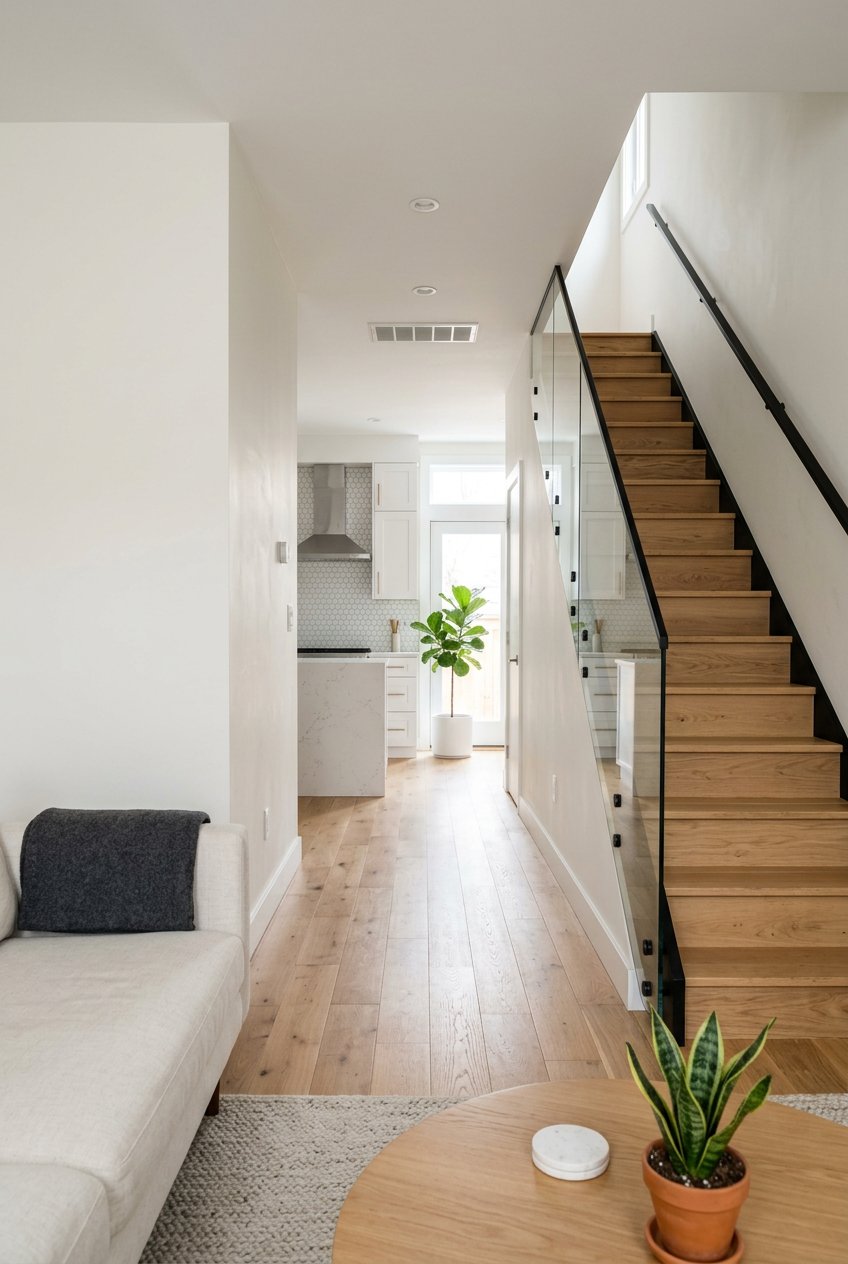
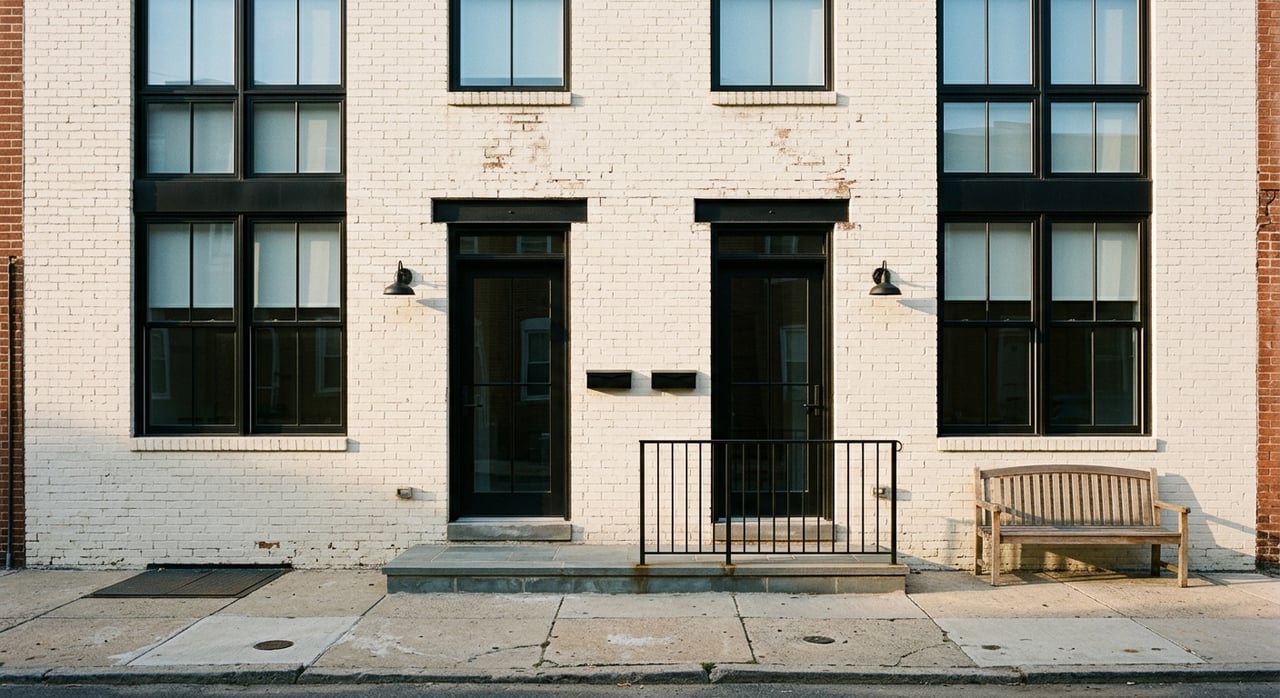
Most East Passyunk rowhomes are narrow brick houses, usually 2 to 3 stories with a cellar or basement and a small rear yard. Widths are often in the low-to-mid teens of feet, so stairways and furniture moves can be tight. Many basements are finished or used as bedrooms, but a finished room does not always meet today’s egress or ceiling-height standards. If you see a roof deck, do not assume it was permitted. Ask for permit history and structural details, since many decks were added without full approvals.
Home values in the area commonly fall in the low-to-mid $300,000s to low $400,000s. Recent aggregator data places a typical range around $350,000 to $415,000. Actual value depends on renovation level, width, outdoor space, and block.
Flat roofs and parapets are normal for century-old South Philly homes and often show age first. You should also expect older boilers or hot water heaters, cast iron or clay sewer laterals, and legacy electrical components in some properties. Party walls are shared, so water intrusion or masonry issues next door can affect the home you buy.
Get pre-approved with a lender who knows Philly rowhomes and city programs. If you may need help with down payment, explore the City’s Philly First Home program, which has provided up to $10,000 to income-eligible first-time buyers and requires approved counseling before you sign an Agreement of Sale. Start with the Philadelphia Housing Development Corporation’s program updates on the PHDC press and program page.
If you need added assistance, review state options through PHFA’s Keystone programs. You can see an overview of Keystone Advantage on this resource page. Planning renovations? Learn how FHA’s 203(k) can combine purchase and rehab costs by reviewing HUD’s 203(k) program overview.
When you tour, look for water stains in basements and ceilings, parapet or chimney separation, uneven floors, and DIY-looking additions. If you see a roof deck or new bulkhead, ask early about permits and structural plans. Photos of roof surfaces, gutters, and parapets can help your inspector later.
For a first-time buyer in South Philly rowhome stock, your offer typically includes a home inspection contingency, sewer lateral scope, lead and radon testing, and a clear permit and violation review clause. That clause should allow you to renegotiate or cancel if unpermitted work or open violations are not resolved. Learn how violations are handled on the City’s L&I guidance: L&I inspections and permit guidance
During your inspection window, consider at minimum:
Search Philadelphia’s L&I databases to review permit history and any active violations. If a violation exists, ask your agent and title team how it could affect closing and timing. Start with L&I’s inspections and permit guidance: L&I inspections and permit guidance
If you are buying on a historically designated property or in a local historic district, exterior work will require approval from the Philadelphia Historical Commission. You can confirm status and process here: Philadelphia Historical Commission resources
After inspections, common outcomes include seller repairs with permits, a seller credit at closing, or an as-is purchase. For unpermitted work like an older roof deck or a basement bedroom without egress, you can request retroactive permitting, removal, or an escrow to complete corrections after settlement. Your agent can coordinate the documents and timelines so your lender and title company are comfortable.
Most financed purchases close in about 30 to 45 days. Build time for inspections, appraisal, underwriting, and title.
Budget for Philadelphia’s Realty Transfer Tax, which totals 4.578 percent city plus state. Parties often negotiate how to split it, but it is a major cash item. Review the City’s Realty Transfer Tax guidance here: Philadelphia Realty Transfer Tax
A quick example: on a $380,000 purchase, the full transfer tax calculates to about $17,396. Your share depends on negotiation, but it is wise to plan for a significant portion.
If you need space for a moving truck or container, apply for a Temporary No Parking permit at least four business days in advance. Follow the sign posting instructions to reserve your curb space: Temporary No Parking permit
Buying your first home in East Passyunk should feel clear and achievable. If you want local guidance on homes, inspections, permits, and negotiation strategy tailored to 19148, connect with the neighborhood-first team at Best Philly Homes. We can walk you through every step and introduce trusted lending and title partners to keep you moving with confidence.
Stay up to date on the latest real estate trends.





We pride ourselves in providing personalized solutions that bring our clients closer to their dream properties and enhance their long-term wealth. Contact us today to find out how we can be of assistance to you!