Selling A Fishtown Rowhome: Pricing, Prep And Timing Strategy
April 16, 2026
April 16, 2026
If you are selling a Fishtown rowhome, the biggest question usually is not whether it will sell. It is how to price it right, what to fix first, and when to launch so you do not leave money on the table. In a market where data points can vary and buyers still have options, a smart plan matters more than ever. Let’s break down the pricing, prep, and timing strategy that can help you sell with more confidence.
Fishtown is still an active market, but it is not a place where every listing sparks a bidding war. Current portal data points in the same general direction, even if the numbers differ. Redfin reports a February 2026 median sale price of $405,000, while Zillow shows an average home value of $375,390, and Realtor.com lists a median asking price of $525,000.
Those numbers are useful for context, but they are not interchangeable. Each portal measures something different, so the safest way to price your home is to use recent closed sales of similar Fishtown rowhomes rather than anchor to one website estimate or a nearby active listing.
The most common pricing mistake is aiming at the highest active listing and assuming your home belongs in the same range. In reality, Redfin notes that the average Fishtown home sells for about 2% below list and goes pending in around 74 days, while hot homes can still go pending in roughly 28 days and sell around list price.
That tells you something important. Strong listings can still perform well, but overpricing is more likely to increase your days on market than create leverage.
Comp selection in Fishtown needs to be specific. A rowhome's value can shift based on renovation level, interior width, outdoor space, parking, and even block-by-block location.
That matters because nearby pricing bands are not all the same. Realtor.com neighborhood data shows median listing prices ranging from $327,500 in East Kensington to $654,500 in Northern Liberties, with other nearby areas landing in very different ranges.
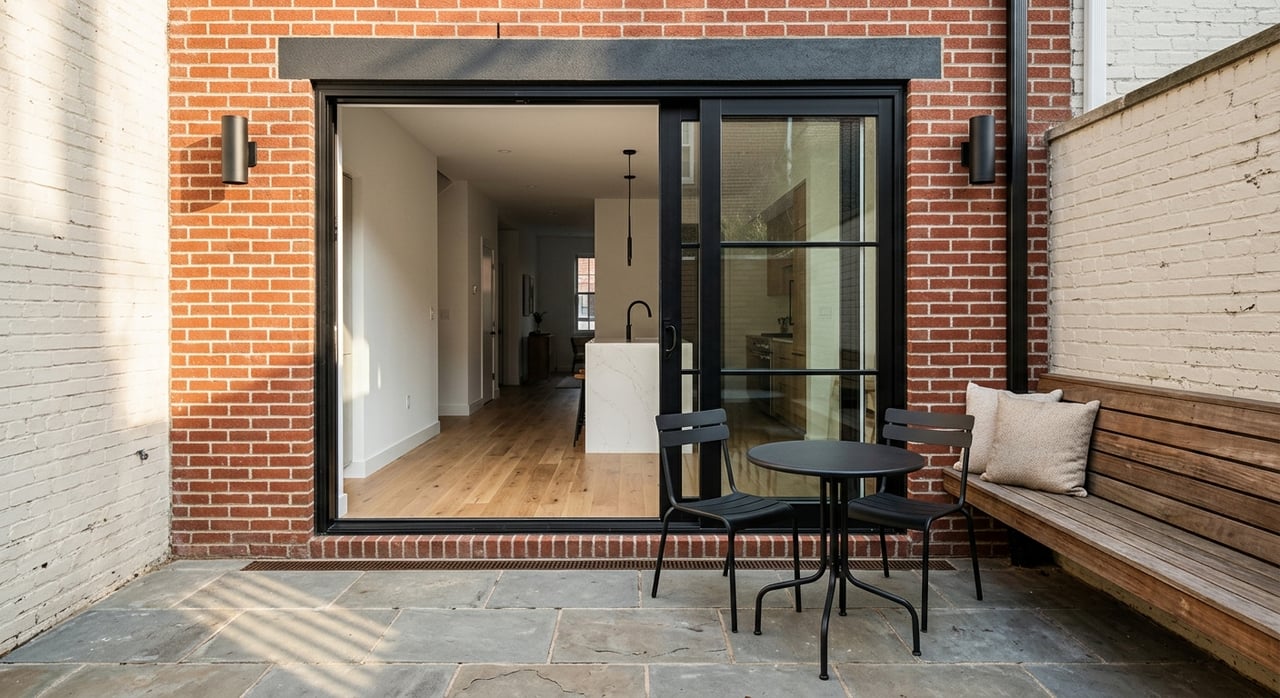
If your home is a renovated Fishtown rowhome, your pricing should reflect homes that match your:
In a softer or more balanced market, the first days on market matter. Buyers notice when a listing sits. If your home launches above what the market supports, you may get fewer showings, weaker feedback, and a later price reduction that costs you momentum.
That risk is especially relevant now. Realtor.com classifies Fishtown as a buyer's market, and Bright MLS data shows spring demand is present for attached homes, but sellers still need clean presentation and disciplined pricing.
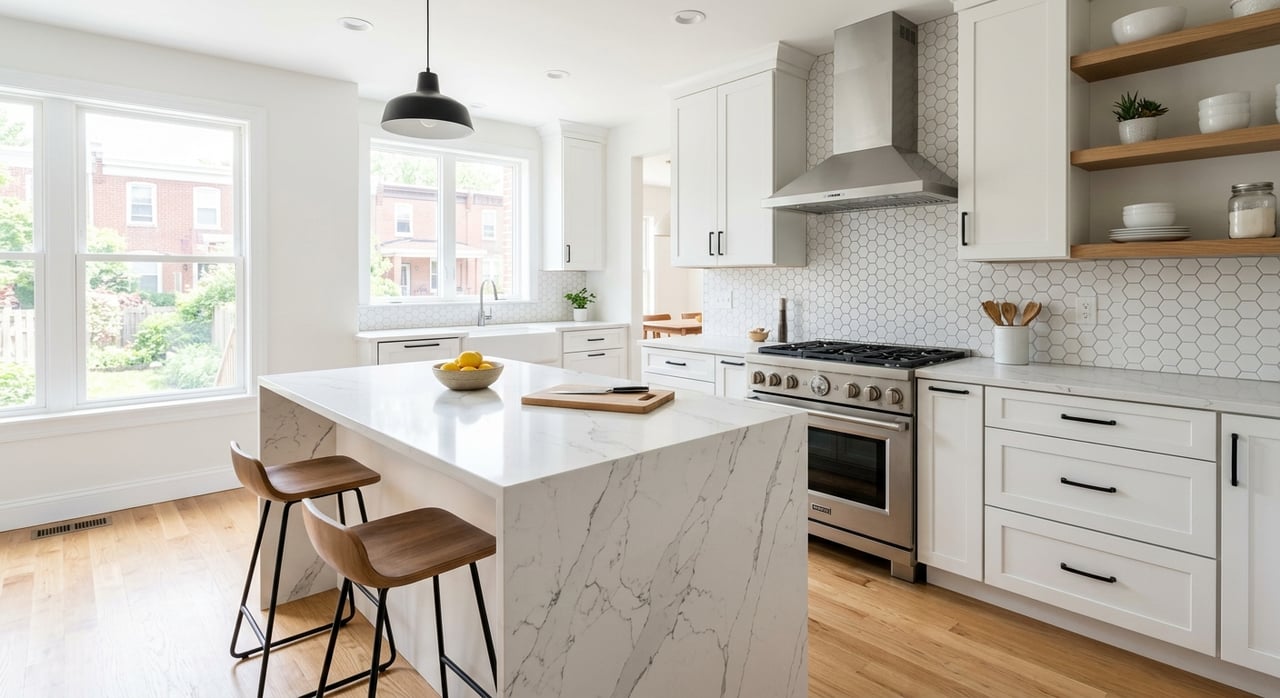
Before you spend money on major upgrades, focus on what helps buyers understand and emotionally connect with the home. For most Fishtown rowhomes, that means simplifying the main living areas, improving light, and making the layout feel clear and easy to use.
That approach lines up with national staging data. The NAR 2025 Profile of Home Staging says 86% of buyers' agents believe staging affects buyer perception, and 83% say it helps buyers visualize a property as a future home.
You do not need to perfect every corner before listing. Start with the rooms that tend to shape first impressions the most.
According to NAR's staging profile, the rooms that matter most are:
For a Fishtown rowhome, it also makes sense to pay close attention to the kitchen and any entry-level gathering space, since buyers often care about how the main floor flows.
A smart prep budget usually goes further than a flashy renovation right before listing. In many cases, your best return comes from:
NAR reports a median professional staging cost of $1,500 and notes that 30% of sellers' agents see slight reductions in days on market for staged homes. That supports a practical strategy: make the home feel clean, bright, and easy to understand before you chase expensive last-minute upgrades.
For older and renovated Philadelphia rowhomes, prep is not just cosmetic. Your paperwork matters too.
The City of Philadelphia says permits may be required for additions, interior or exterior changes, demolition, non-standard repairs, and updated electrical, plumbing, or HVAC systems. The city also advises owners to confirm that contractors had required permits and provides the Atlas tool and permit guidance to review records.
If you have done work over the years, buyers may ask about it. It helps to review your property's history before your home goes live so you are not scrambling during negotiations.
A good first step is to review permit and contractor information through the city. That can help you confirm what was filed and whether there are issues worth addressing before listing.
Philadelphia also requires a Property Sales Certification to sell real estate in the city. That certification includes zoning classification, last established use, and disclosure of uncorrected housing, building, safety, and fire violations.
This is one of those tasks that is easy to delay and stressful to rush. Getting it started early can help your sale stay on track once you begin showings.
If your rowhome was built before 1978, federal lead disclosure rules apply. The EPA requires sellers to provide a lead hazard pamphlet, disclose known lead-based paint information and records, and give buyers a 10-day opportunity to inspect or risk-assess unless that right is waived in writing.
For many Philadelphia homes, this is a standard part of the process. Still, it is much easier to organize before photography and listing prep than after a buyer is already reviewing disclosures.
Timing does not override price and presentation, but it can improve your odds. If you have flexibility, the calendar can work in your favor.
According to Zillow's 2026 timing study, the best listing window for Philadelphia is the last two weeks of May, with an estimated 1.9% premium, or about $7,500 for a typical sale. Zillow also says Thursday is the strongest day to launch.
The challenge is that many sellers underestimate how long prep takes. Realtor.com's 2026 timing report notes that 53% of sellers take one month or less to get ready, which means many are trying to compress staging, repairs, paperwork, and photography into a tight window.
If you want to aim for a late-May launch, the practical move is to begin in early spring. That gives you time to make decisions calmly instead of rushing them after photos are booked.
Your first few days on market often shape the entire listing cycle. Bright's March 2026 housing report shows that new listings increased, inventory was up 8.9% year over year, and median days on market rose to 19 days.
That means buyers have more to compare, and your listing needs to feel complete from day one. Pricing, paperwork, staging, and photography should all be ready before the home hits the market.
If you want a simple plan, start here:
Selling a Fishtown rowhome well usually comes down to three things: accurate pricing, focused prep, and disciplined timing. The neighborhood still has demand, but buyers are not ignoring value, condition, or presentation.
When you build your pricing around closed comps, clean up the spaces that shape first impressions, and get ahead of Philadelphia's paperwork, you put yourself in a much stronger position. If you want a neighborhood-specific plan for your home, Best Philly Homes can help you think through pricing, prep, and launch timing with a clear local strategy.
Stay up to date on the latest real estate trends.





We pride ourselves in providing personalized solutions that bring our clients closer to their dream properties and enhance their long-term wealth. Contact us today to find out how we can be of assistance to you!