University City Housing Near Penn Drexel: Compare Options
May 14, 2026
May 14, 2026
If you’re searching for housing near Penn and Drexel, you’ve probably already noticed one thing: University City does not feel like a typical Philadelphia neighborhood. It blends campus life, major employers, hospitals, transit, and housing into one compact area, which can make your options feel both exciting and overwhelming. The good news is that once you understand the main housing types, price points, and commute trade-offs, it gets much easier to narrow your search. Let’s dive in.
University City is a dense, fast-moving part of Philadelphia. According to University City District, the neighborhood covers about 2.4 square miles and includes nearly 80,000 jobs and more than 50,000 students.
That concentration shapes the housing market in a big way. Penn, Drexel, CHOP, and Penn Medicine all sit close together, so demand stays strong from students, faculty, staff, medical professionals, and other nearby workers.
It also helps explain why you see so many different housing types in one area. University City includes historic homes, walk-up apartments, dorms, modern high-rises, and new multifamily buildings that continue to expand the local inventory.
If University City seems renter-heavy, that’s because it is. RentCafe reports that 82% of households in University City are renter-occupied.
For you, that means apartments are often the most visible option, especially if you want to live close to Penn, Drexel, hospital campuses, or 30th Street Station. It also means ownership opportunities like condos and rowhomes are a smaller piece of the overall market.
That does not make buying impossible. It simply means your search may feel different depending on whether you want a lease, a condo, or a traditional home.
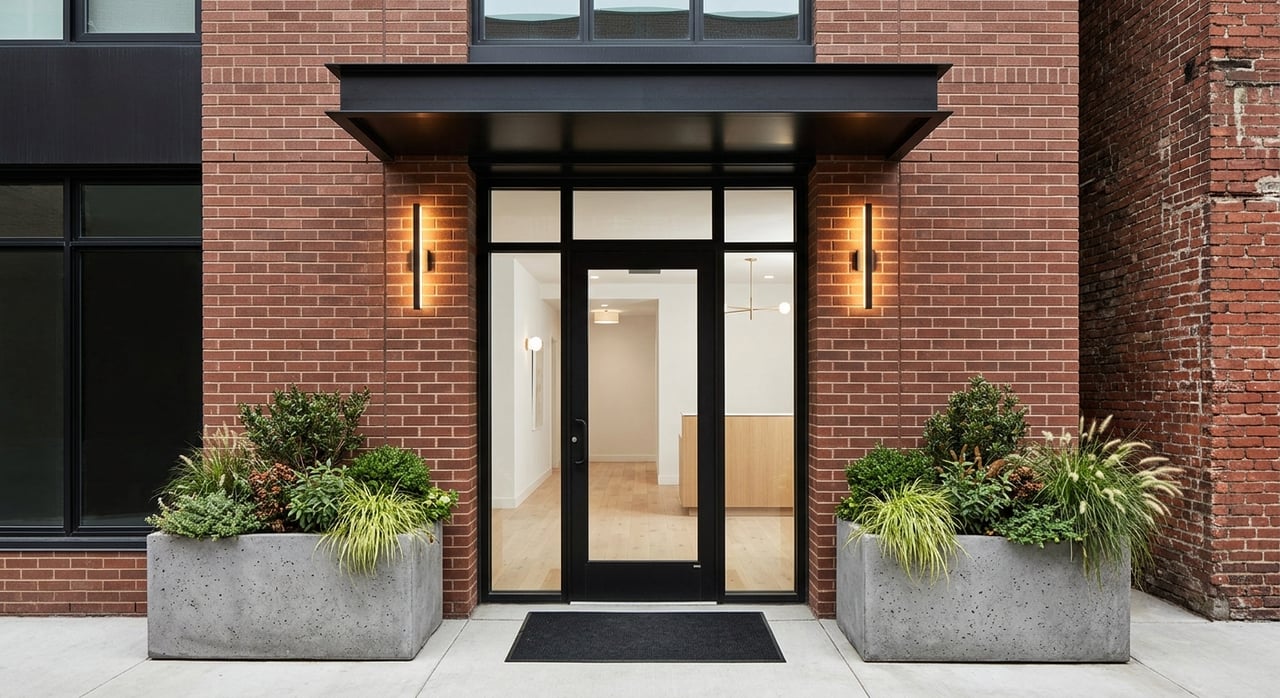
If convenience is your top priority, newer apartment buildings may be the easiest fit. Much of the newest residential development is clustered near 30th Street Station and the Schuylkill Yards area, where Drexel is helping shape a 14-acre mixed-use district.
This part of University City is especially appealing if you want a simple walk to campus, work, or regional transit. Buildings in this area often emphasize amenities and easy access to the station, which can be a major plus if you commute often or travel regularly.
The trade-off is usually cost and activity level. Newer apartments often command higher rents, and living close to major transit, large campuses, and active development can mean a busier day-to-day environment.
If you want to own without taking on a larger house, a condo can be a practical middle ground. Redfin’s current University City condo inventory shows just 8 condos for sale, with a median listing price of $341,000.
That smaller inventory matters. In a market where rentals dominate, condo choices can come and go quickly, so your options may be limited compared with nearby apartment rentals.
Still, condos can make sense if you want a lower-maintenance ownership option close to Penn or Drexel. As Penn’s off-campus housing guidance notes, it helps to weigh price, convenience, location, condition, and housing type before you commit.
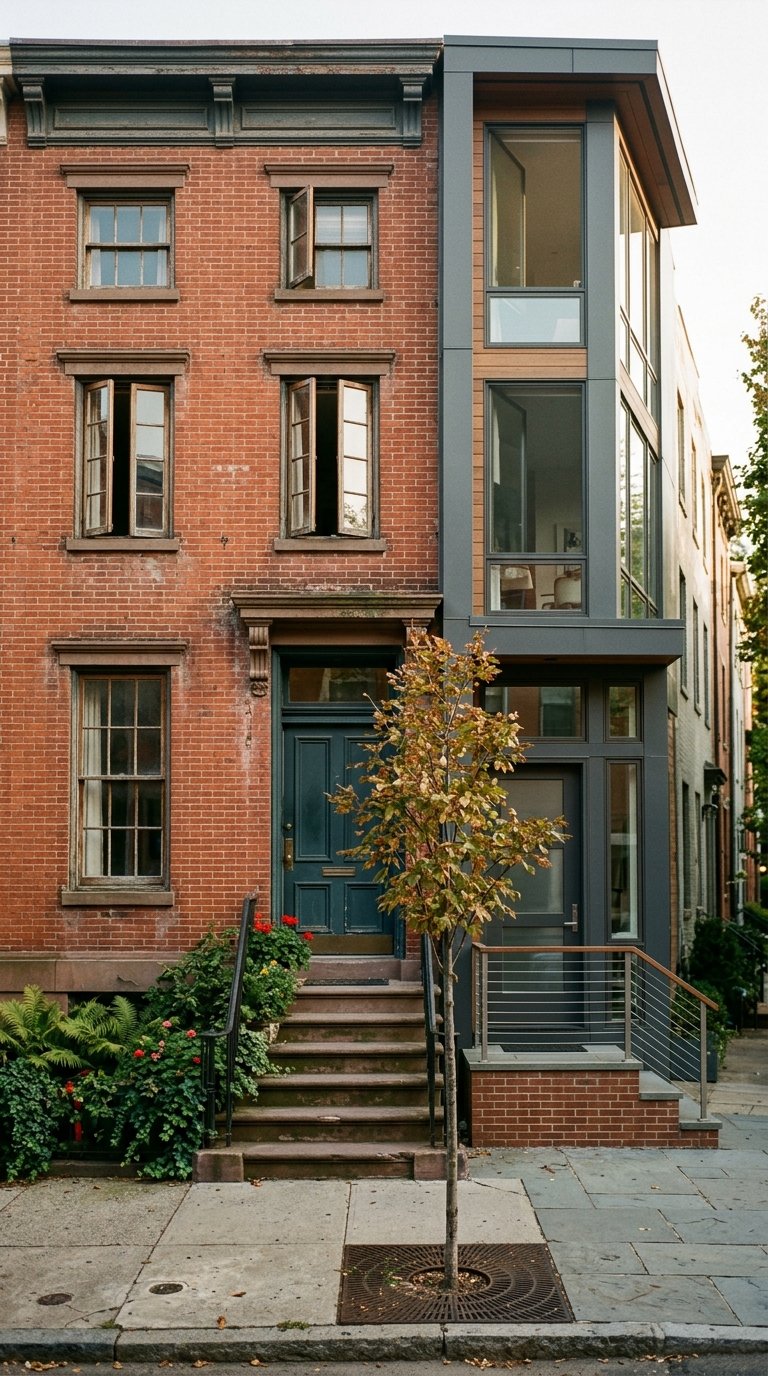
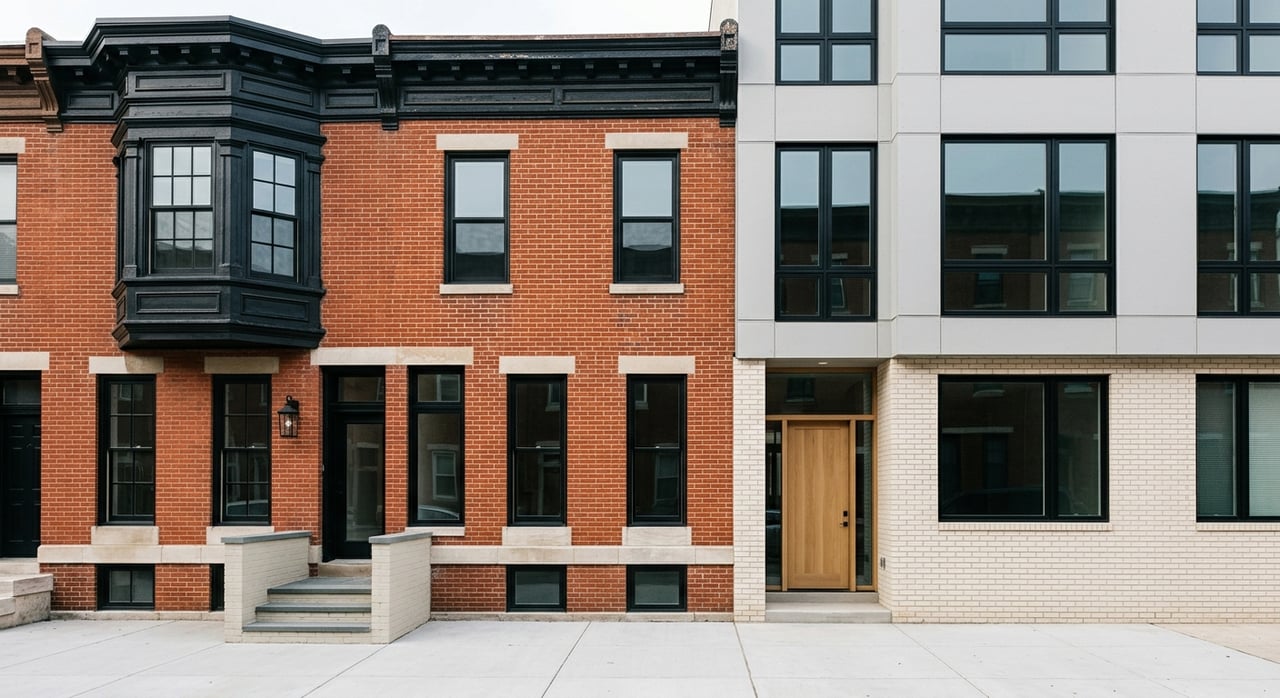
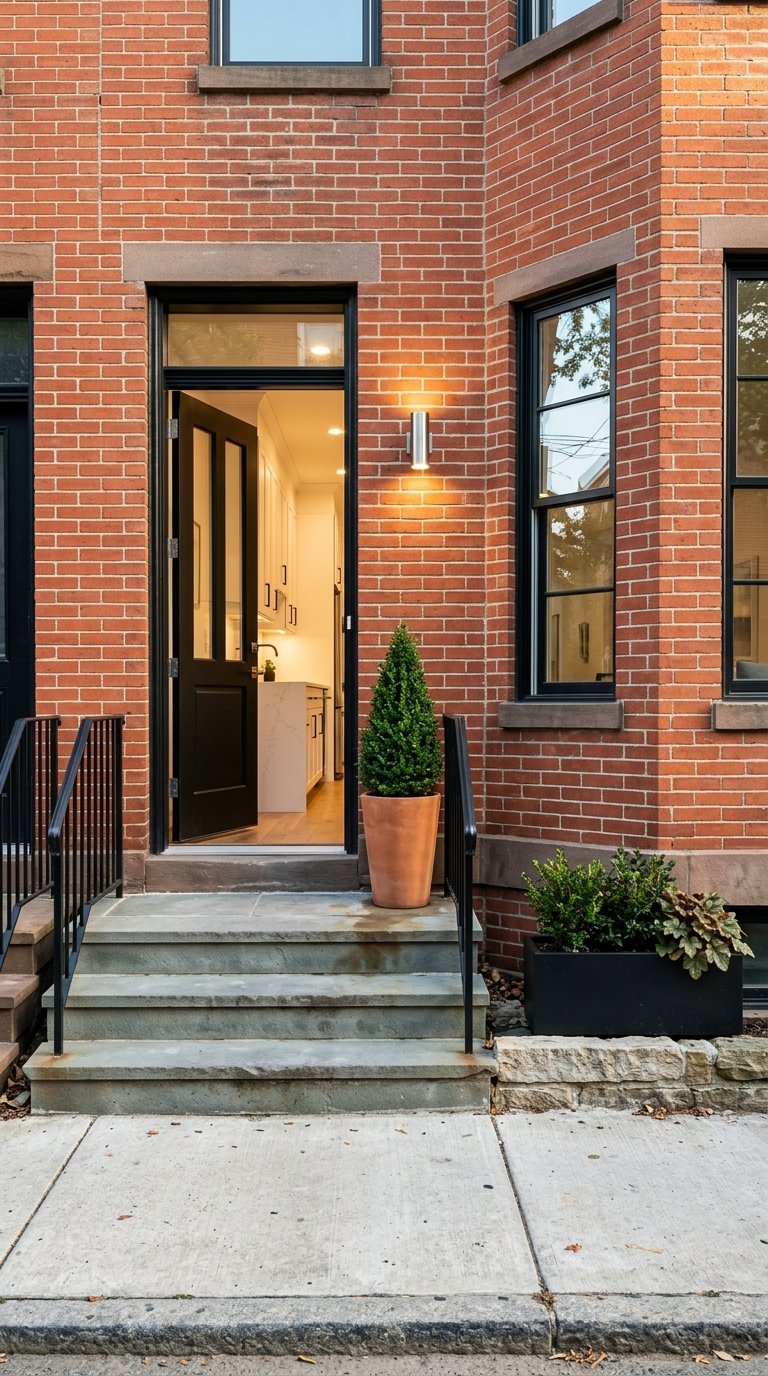
If you want more space or more architectural character, older rowhomes and historic houses can be worth a close look. University City District highlights historic homes as part of the area’s housing mix, especially in the broader West Philadelphia sections around University City.
These homes can offer a very different feel from newer apartment towers. You may find more room, more traditional layouts, and more variation from one property to the next.
That variation is the key trade-off. Penn’s housing guidance notes that housing in and around University City can vary widely in price, convenience, location, condition, and type of accommodation, so older homes often require a more careful review of layout, updates, and maintenance history.
Budget is often the deciding factor, especially if you want to stay close to campus. RentCafe’s April 2026 data puts the average rent in University City at $3,322.
Broken down by size, studios average $2,134, one-bedrooms average $2,763, two-bedrooms average $4,045, and three-bedrooms average $4,477. Those numbers help explain why many renters feel sticker shock when comparing newer buildings near Penn and Drexel.
If you are buying, Redfin reports a median sale price of $360,000 in March 2026, with homes averaging 80 days on market. Redfin also describes the market as not very competitive, which may give you a little more room to compare options before making a decision.
A helpful way to approach University City is to match your budget to your priorities. If you want the shortest possible walk and more amenities, expect newer apartments to sit at the premium end of the market.
If you want ownership close to campus, condos may offer a manageable path, but inventory is limited. If you want more space or a different style of home, older rowhomes may offer value in a broader part of West Philadelphia, though condition and layout can vary more.
Penn’s housing guidance also notes that Center City is typically more expensive than comparable spaces in surrounding West Philadelphia. So if you are open to living just outside University City, you may find more flexibility without giving up an easy commute.
You do not have to live in the heart of University City to make Penn or Drexel convenient. For many buyers and renters, the smarter move is to widen the search slightly and focus on transit-rich sections of nearby West Philadelphia.
This can give you more housing variety while keeping your daily routine manageable. It is an especially useful strategy if your top goal is balancing cost, space, and commute time.
University City District notes that the area is designed to work well for pedestrians, cyclists, transit riders, and drivers. That makes the surrounding ring of nearby neighborhoods worth considering if you want more options.
One of University City’s biggest strengths is transportation. SEPTA says you can reach the area through Regional Rail at William H. Gray III 30th Street Station or Penn Medicine, use the L or T to Drexel at 30th Street, and access bus routes including 21, 42, and 49.
The LUCY shuttle is another useful option, running every 5 to 30 minutes from 6:10 a.m. to 7 p.m. on weekdays. SEPTA also notes that the Airport Line connects directly to University City, which can be a real advantage if you travel often.
Campus shuttles add even more flexibility. Penn says its shuttle service runs seven days a week and serves West Philadelphia, Powelton Village, and Center City during late nights and weekends, while Drexel offers free shuttle bus service across its three Philadelphia campuses.
For many people, that means a car is optional rather than necessary. If you prefer to walk, bike, or use transit, University City gives you several workable ways to get around.
The best housing near Penn and Drexel depends on what matters most to you. There is no single right answer, only the option that best matches your routine, budget, and comfort level.
If you want a fast, streamlined search, start by ranking these factors:
Once you know your priorities, your options usually become much clearer. A newer apartment, condo, or rowhome can all work well here, but each comes with a different balance of price, convenience, and day-to-day feel.
University City gives you access to one of Philadelphia’s most connected and active housing markets. If you want help sorting through rentals, condos, rowhomes, or homes just outside the neighborhood, Best Philly Homes can help you compare your options and make a confident move.
Stay up to date on the latest real estate trends.

We pride ourselves in providing personalized solutions that bring our clients closer to their dream properties and enhance their long-term wealth. Contact us today to find out how we can be of assistance to you!