Buying In University City As A Med Or Grad Student
June 4, 2026
June 4, 2026
Trying to decide whether you should rent or buy while you’re in med school, grad school, or residency in University City? It’s a fair question, especially when your timeline feels short, your loan balance is real, and Philly closing costs are not small. The good news is that University City can make sense as a medium-term buy if your plan, financing, and property choice line up. Let’s break down what matters most.
University City is not just a student district. University City District describes it as a 2.4-square-mile neighborhood with more than 50,000 residents, about 85,000 jobs, and more than 50,000 students enrolled in local higher education institutions. That mix matters because it supports housing demand from more than one type of buyer.
The area also has a durable employment base in medicine, higher education, technology, real estate, and hospitality. Medical institutions account for more than 40% of neighborhood jobs, which helps create a broader resale pool beyond current students. If you buy now and sell in a few years, your future buyer may be another student, a hospital employee, faculty member, or another owner-occupant who wants a short commute.
There is also ongoing development across the neighborhood. Recent University City District reporting noted 40 ongoing development projects, along with recently completed multifamily units and more in development over the next three years. That tells you University City is still evolving, which can create both opportunity and competition depending on the block and property type.
One of the biggest mistakes buyers make is treating University City like one uniform market. It is not. Recent local reporting on University City District data put the median single-family sale price at $533,000 in 2025, while median one-bedroom rents were about $1,400 across the district and about $2,400 in Central University City.
The key takeaway is not just the number. It is that values and rents can shift a lot based on location, building type, condition, and distance from the Penn and Drexel core. That is why your search should focus on the specific block, commute pattern, and likely resale audience, not just the neighborhood name.
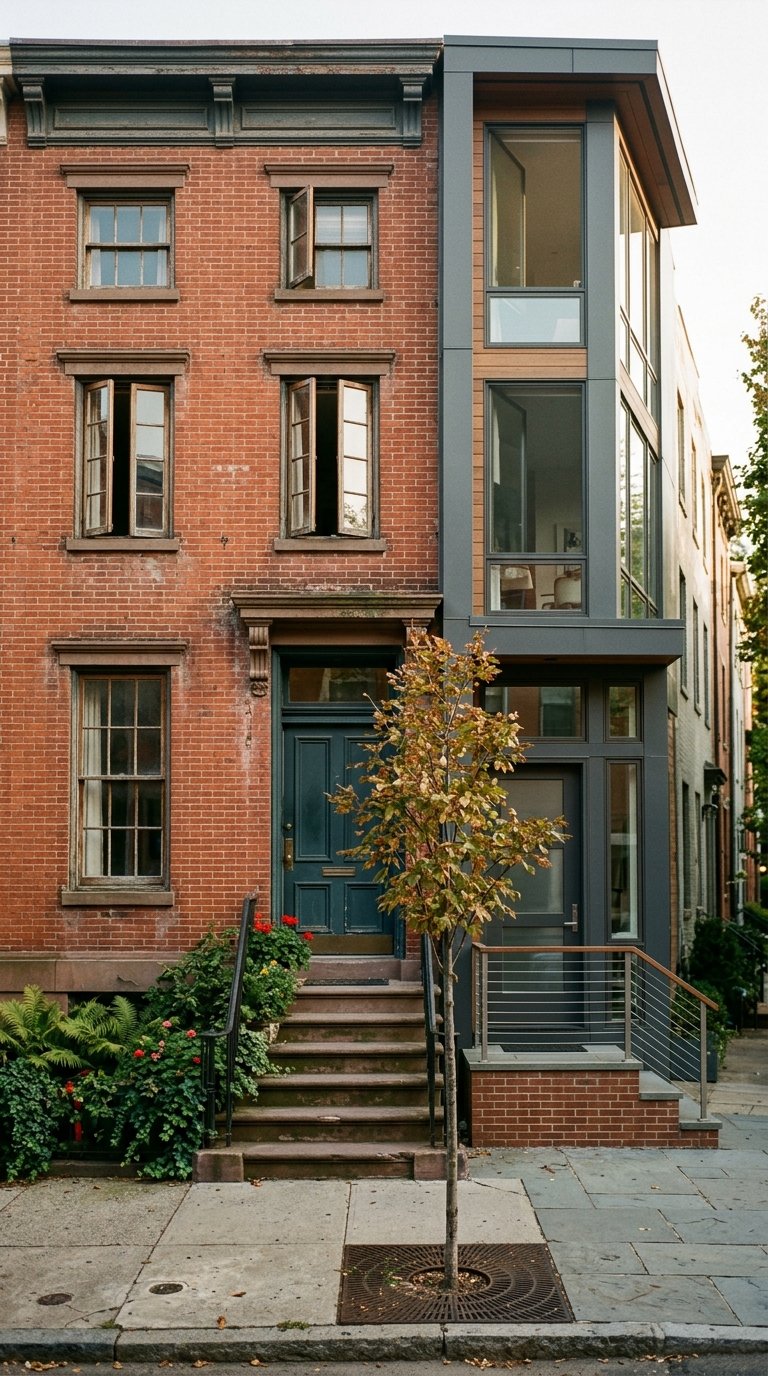
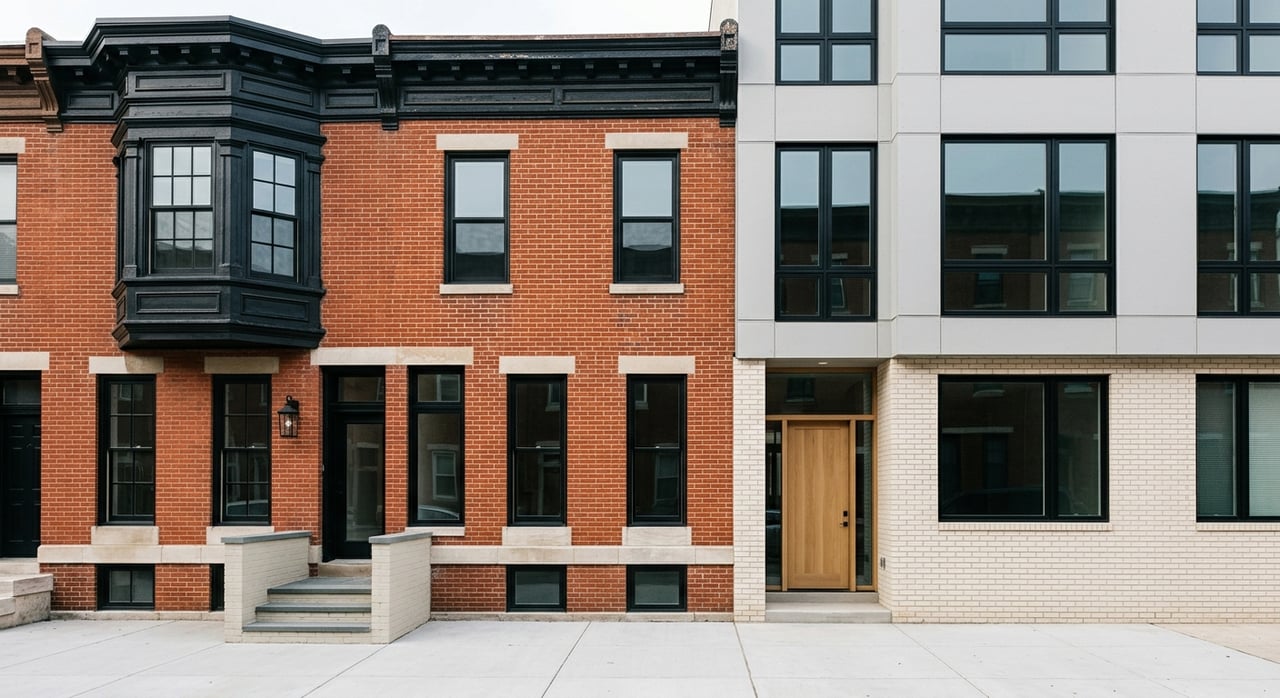
Philadelphia is a rowhouse city, but University City offers more than one ownership path. The area includes older attached homes, condos, and newer multifamily housing. For most med and grad buyers, the practical options are usually a condo, an attached home, or in some cases a small multifamily property.
Each option comes with tradeoffs. A condo may offer simpler upkeep and more predictable maintenance, which can be a big advantage if your schedule is packed. An attached home may give you more space and control, but it can also bring more repair responsibility and variable carrying costs.
A small multifamily property can be attractive if you are thinking about house-hacking or future rental flexibility. But financing rules matter here. PHFA’s standard HFA Preferred loan is for primary residences and does not allow two-unit properties, while some Keystone loan options can be used for certain one- to four-unit purchases.
If you may leave in a year, buying often becomes much harder to justify. Philadelphia’s closing costs are meaningful, and the city’s realty transfer tax rate is 4.578%. That kind of upfront cost takes time to absorb.
For many student and resident buyers, ownership makes more sense when you expect to stay long enough to spread those costs over several years. Your timeline might be tied to a degree program, residency, fellowship, research position, or a partner’s work plan. The clearer that timeline is, the easier it is to judge whether buying is a smart move.
A short hold can still work, but it raises the importance of buying the right kind of property. You usually want something with broad future appeal and low surprise costs. In most cases, a modest condo or attached home with manageable monthly expenses is a safer bet than a highly niche property.
Student loans do not automatically stop you from qualifying for a mortgage. But they do matter in a very real way because lenders look at debt-to-income ratio, income, savings, employment history, and recurring obligations. If you are in medical training or graduate school, this is one of the first issues to review with a lender.
Freddie Mac notes that if a student loan payment is reported as zero, the lender generally must use 0.5% of the outstanding balance unless documentation supports a different amount. That can materially affect purchasing power, especially for buyers with large balances or income-driven repayment plans. In plain language, your loan statement may not tell the whole story from an underwriting perspective.
This is why early financing prep matters so much. Before you fall in love with a home, get clear on what payment a lender will actually use for your student debt. That step can save you time, stress, and a lot of false starts.
Qualified buyers may have access to financing tools that make buying more realistic. Fannie Mae’s HomeReady mortgage allows as little as 3% down and can consider on-time rent history. PHFA also offers home purchase loans with lower fees, free homebuyer counseling, and assistance programs that can help with down payment and closing costs.
One option in the research is PHFA’s Keystone Advantage Assistance Loan. It can provide up to 4% of the purchase price or market value, capped at $6,000, at 0% interest over 10 years. That may not erase all upfront costs, but it can make the numbers more manageable for qualified buyers.
There is also a timing piece here. PHFA home purchase loans require pre-closing education by at least one borrower. That means buying is not a last-minute housing decision, especially if you are trying to line everything up before a semester starts or a lease ends.
Monthly payment is only part of the equation. In Philadelphia, property taxes deserve a close look when you compare buying to renting. The city lists the real estate tax rate at 1.3998% of assessed value.
If the home will be your primary residence, the Homestead Exemption can reduce the taxable portion of the property by $100,000 and save most homeowners about $1,399 per year starting in 2025. That can meaningfully improve affordability, but you still need to budget for taxes, insurance, utilities, and maintenance. A property that looks affordable at first glance can feel very different once all-in costs are on the table.
For condos, look closely at association fees and what they cover. For attached homes, pay extra attention to likely maintenance items and reserve planning. Your goal is not just to qualify for the purchase, but to own comfortably during a demanding season of life.
When you buy as a med or grad student, resale should be part of the plan from day one. University City has a wider buyer base than many people assume, which is helpful. But resale tends to favor homes that work for more than one type of future owner.
That usually means a property in a commute-friendly location with easy transit access and a layout that feels broadly useful. University City District describes the neighborhood as a transportation hub with some of the city’s most bicycle- and pedestrian-friendly streets, and SEPTA describes the 30th Street and Drexel station area as a gateway for the neighborhood. Properties that support an easy daily routine often have stronger long-term appeal.
Low-maintenance homes also tend to be easier to own and easier to sell. If you know you may move after graduation or training, a property that does not need immediate capital work is often the simpler play. Buyers in your future resale pool may be looking for convenience as much as location.
Older attached homes can be great long-term buys in Philadelphia, but they need a careful eye. The city’s rowhouse manual notes that many maintenance problems start on the exterior and that water is a major enemy. It also points out that older homes often benefit from insulation upgrades.
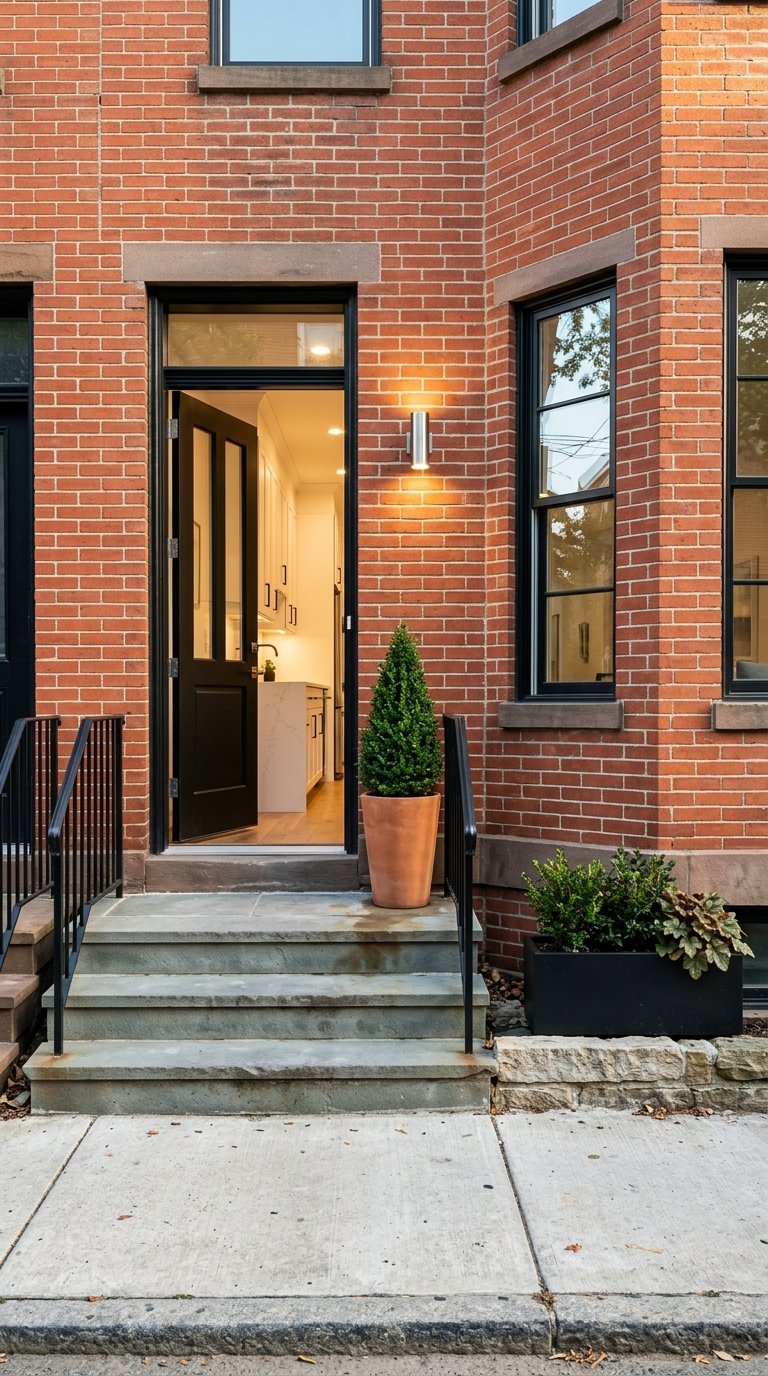
If you are considering a rowhome or older attached property in University City, pay close attention to the roof, masonry, drainage, and signs of water intrusion. Also review permit history if there have been additions, decks, or significant alterations, since many changes require permits and inspection. A home that looks charming on day one can become expensive fast if the exterior envelope has been neglected.
For many buyers with a busy school or hospital schedule, this is where simplicity wins. A home with fewer deferred maintenance issues may not be the most exciting option, but it can be the most practical one. That matters when your time and cash reserves are limited.
If you are thinking about buying in University City while in school or training, it helps to work backward from your move date. Start with financing and timeline clarity, then narrow your property type, then focus on resale potential. That order keeps the search grounded in reality.
A smart short list often looks like this:
The goal is not to buy the most property you can qualify for. It is to buy something that fits your current life and still makes sense when your next chapter starts.
If you want help thinking through University City block by block, property type by property type, the team at Best Philly Homes can guide you with a clear, local, education-first approach.
Stay up to date on the latest real estate trends.



We pride ourselves in providing personalized solutions that bring our clients closer to their dream properties and enhance their long-term wealth. Contact us today to find out how we can be of assistance to you!