Point Breeze Living: New Construction And Classic Philly Blocks
July 9, 2026
July 9, 2026
Looking for a South Philadelphia neighborhood that gives you both classic rowhome character and newer construction options? Point Breeze often lands on that shortlist for good reason. If you are trying to figure out whether the area feels established, changing, or still practical for your budget, this guide will help you make sense of it. Let’s dive in.
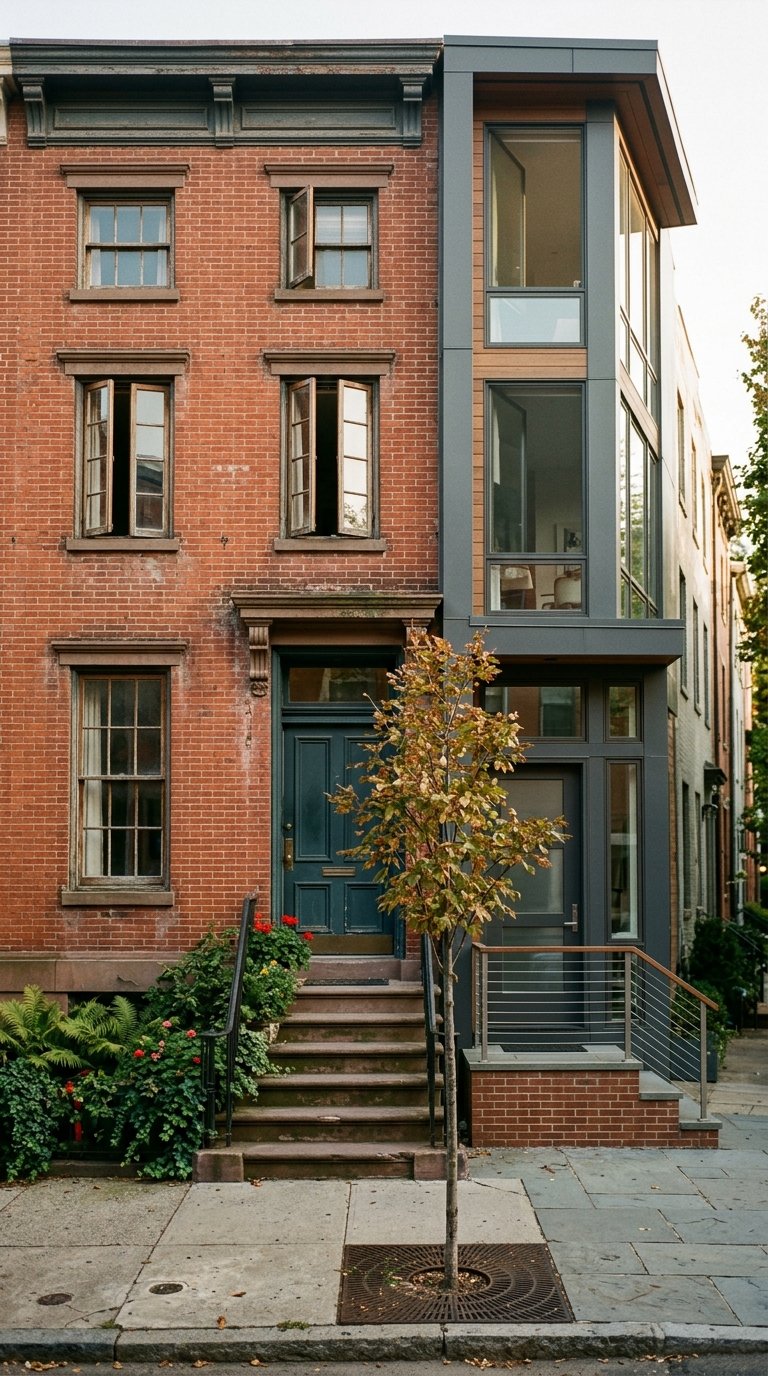
Point Breeze offers a mix that can be hard to find in one neighborhood. You will see older attached homes on traditional Philly blocks, newer townhomes, and some condos, often within a short walk of each other. That variety gives buyers more than one path into the neighborhood.
It is also a place that does not fit into one simple label. Some blocks feel very residential and longstanding, while others show newer infill or former vacant sites that have been redeveloped over time. In practical terms, that means your experience in Point Breeze can change noticeably from block to block.
If you are wondering whether Point Breeze is mostly new construction, the short answer is no. The neighborhood is still anchored by older attached housing, with newer townhomes and infill added over time. That balance is a big part of what defines the area today.
For buyers, this creates a wider range of home styles and price points. You may find a classic Philadelphia rowhome on one block and a more recently built home with a modern layout on the next. For sellers, that mix also means pricing and marketing strategy should reflect your specific block, housing type, and competition nearby.
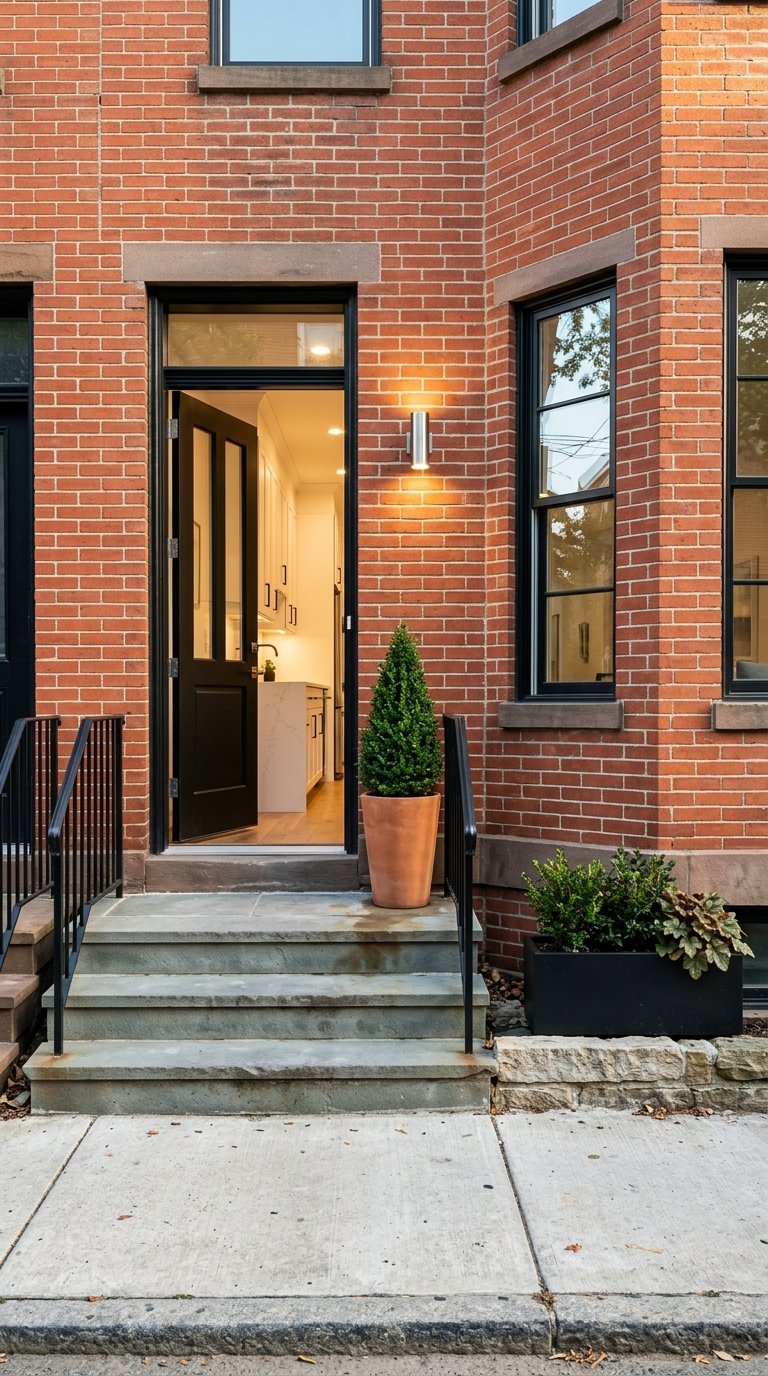
Many parts of Point Breeze still reflect its long history as a working-class South Philadelphia neighborhood. The traditional attached homes and established residential streets remain central to the neighborhood’s identity. That older housing base is a major reason the area still feels rooted in Philadelphia’s rowhome fabric.
These blocks often appeal to buyers who want city living with a more familiar South Philly streetscape. They also matter to sellers because buyers are not only comparing square footage. They are often comparing block feel, housing style, and how updated a home is relative to nearby options.
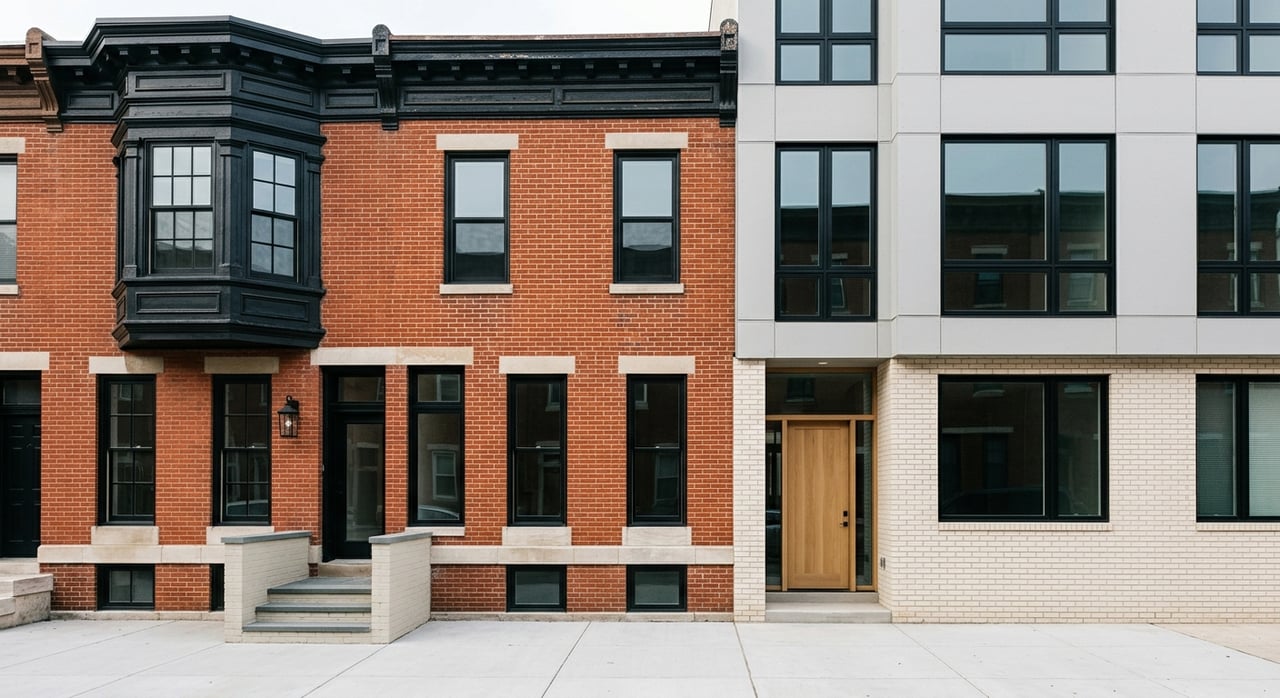
Newer homes in Point Breeze have helped fill in vacant lots and former commercial sites over time. This has expanded the housing inventory without replacing the neighborhood’s older residential base altogether. In many parts of the neighborhood, that creates a streetscape where old and new sit side by side.
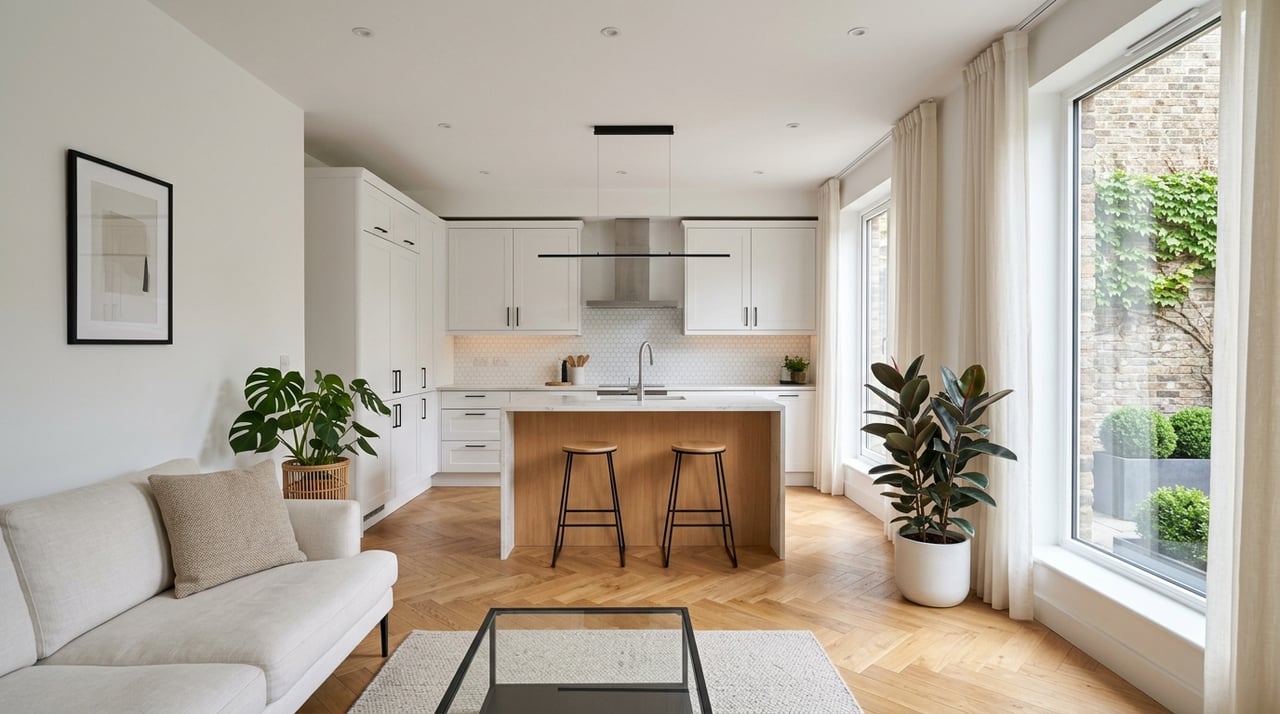
For buyers, new construction can mean more contemporary layouts and finishes. For sellers of older homes, it also raises the importance of presentation and pricing because buyers may be weighing renovated or newly built alternatives nearby. In Point Breeze, those comparisons happen constantly.
A neighborhood is more than its housing stock, and Point Breeze has several everyday anchors that shape how it feels. Point Breeze Avenue and Washington Avenue are two of the most recognizable commercial corridors in the area. Washington Avenue, in particular, is described as an expanding business corridor.
Local dining and small businesses also contribute to the neighborhood’s identity. Reported neighborhood standouts include South Philadelphia Tap Room, Hardena, El Mezcal Cantina, Scotty’s Bar, and Culture Exchange. These kinds of businesses help explain why Point Breeze still feels local even as housing options continue to evolve.
Wharton Square is noted as an important civic anchor in the neighborhood. Public spaces like this can shape how you experience day-to-day life, whether you are walking the area for the first time or deciding where in South Philadelphia you want to put down roots. They often become part of how residents navigate and gather within a neighborhood.
The Chew Playground rebuild at 18th and Washington also serves neighbors across this part of South Philadelphia. For buyers comparing neighborhoods, these public-space anchors can help make the area feel more connected and usable beyond the housing itself.
Transit is one of Point Breeze’s practical strengths. SEPTA identifies Tasker-Morris as a key transportation link for South Philadelphia and the Broad Street Line, and the neighborhood is also served by the Route 79 bus network. SEPTA is also working on accessibility improvements at Tasker-Morris.
If you want a neighborhood that stays tied into the rest of the city, that matters. Easy access to transit can shape your commute, daily routine, and even resale appeal. In an urban market like Philadelphia, convenience is often part of the value equation.
Point Breeze pricing generally sits in the low to mid $300,000s, depending on the source and the metric being measured. As of spring 2026, reported figures include an average home value of $293,046, a median sale price of $331,967, a median sale price of $322,891 across a three-month period, and a median listing price of $357,500. The exact number varies because each platform tracks the market a little differently.
Property type also matters. Recent reporting shows median prices around $485,000 for single-family homes, $329,000 for townhomes, and $250,000 for condos. If you are shopping in Point Breeze, it helps to compare homes within the same property category rather than rely on one big neighborhood number.
The best answer is yes, but not across the board. Homes are reported to go pending in about 30 days, and current market reads describe Point Breeze as somewhat competitive and balanced. That suggests buyers should be prepared to act on the right home, without assuming every listing will turn into a bidding war.
For sellers, this is a useful reminder that demand alone does not do all the work. Strong pricing, polished presentation, and realistic expectations still matter. In a balanced market, strategy can make a real difference.
Over the longer term, Point Breeze has seen meaningful price growth. Median home sale prices rose from $180,000 in 2014 to $365,500 in 2024, according to Pew. That trend lines up with the broader story of neighborhood change, infill development, and increasing buyer attention.
That does not mean every block or every home performs the same way. In Point Breeze, location within the neighborhood and the type of housing you own or buy still play a major role. A broad price trend is helpful context, but your real decision should stay local and specific.
For many buyers, Point Breeze works as a comparison point when more expensive South Philadelphia neighborhoods feel out of reach. Current market snapshots place it below neighborhoods like Graduate Hospital, Bella Vista, Passyunk Square, and East Passyunk on value and list-price measures. That is part of why it comes up so often in early-stage searches.
If you want to stay relatively close to Center City and remain in South Philadelphia, Point Breeze can offer a middle-ground option. You may find more pricing flexibility here than in some nearby higher-priced neighborhoods, while still getting an urban residential setting with local business corridors and transit access.
The biggest thing to understand about Point Breeze is that it is not uniform. Different sources define its borders a little differently, and the neighborhood can feel noticeably different as you move through it. Broad descriptions are more useful here than rigid boundary lines.
That same block-by-block reality applies to home shopping. One area may show more newer infill, while another feels more tied to older attached homes and long-established residential patterns. The smartest way to evaluate Point Breeze is not to ask whether the whole neighborhood is one thing, but to ask which block and housing type best match what you want.
Crime patterns also reinforce the need for a block-level view. Pew found that crime in Point Breeze is more concentrated along business corridors and transit lines, while reported crime overall declined 21% from 2019 to 2025. That kind of nuance is helpful when you are trying to understand the neighborhood in a realistic, fact-based way.
If you own in Point Breeze, your home is likely being judged against a wide mix of alternatives. Buyers may compare your property with older attached homes, renovated rowhomes, newer townhomes, or condos in the same general area. That means your pricing strategy should be tied closely to your home’s style, condition, and exact location.
This is where neighborhood-specific guidance matters. In a place like Point Breeze, two homes with similar square footage can perform very differently based on finishes, layout, and block context. Sellers usually benefit most from a local pricing approach instead of relying on a single neighborhood average.
If you are thinking about buying, selling, or investing in Point Breeze, working with a team that understands South Philadelphia block by block can help you move with more clarity. Best Philly Homes brings a neighborhood-first, education-led approach to Philadelphia real estate, with guidance for buyers, sellers, and investors across Point Breeze and nearby city neighborhoods.
Stay up to date on the latest real estate trends.


We pride ourselves in providing personalized solutions that bring our clients closer to their dream properties and enhance their long-term wealth. Contact us today to find out how we can be of assistance to you!