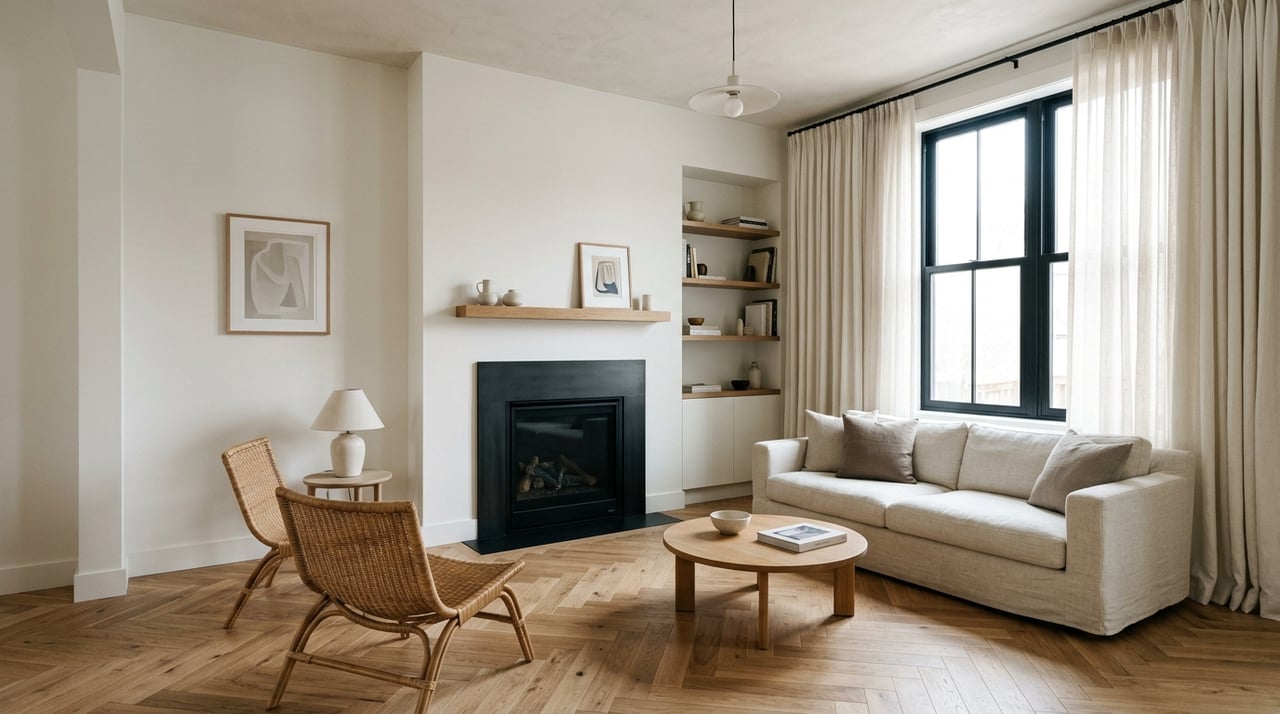
Selling A Queen Village Rowhome: Strategy And Pricing Basics
July 2, 2026
July 2, 2026
If you are thinking about selling your Queen Village rowhome, one question matters more than almost anything else: what price will make buyers act? In a neighborhood with historic blocks, varied home styles, and strong buyer interest, pricing is not just about picking a number that sounds right. It is about understanding your block, your home’s condition, and the local costs that affect your bottom line. Let’s dive in.
Queen Village remains a relatively tight, fast-moving market. Recent public market trackers show median sale prices around the mid-$600,000s, with homes often selling in about 27 to 30 days and close to list price.
For you as a seller, that creates both opportunity and pressure. A well-positioned rowhome can attract serious attention quickly, but an overpriced home may sit longer and lose momentum during the most important first weeks on the market.
In Queen Village, broad Philadelphia averages only tell part of the story. Your value often depends on micro-location, meaning the specific block, nearby amenities, and how buyers experience that part of the neighborhood.
Queen Village stretches from Washington Avenue to Lombard Street, between 6th Street and the Delaware River waterfront. Buyers are often drawn to the area’s historic character, walkable blocks, mature trees, riverfront access, and proximity to places like South Street, Fabric Row, and the Headhouse Farmers’ Market.
That means two rowhomes with similar square footage can still command different prices. A quieter residential block, stronger access to neighborhood shopping and dining, or a location with a different street feel can all shape buyer demand.
The best pricing strategy usually begins with recent sold homes, not just current listings. Active listings show competition, but sold data shows what buyers actually agreed to pay.
For a Queen Village rowhome, the most useful comps are often homes on the same block or nearby blocks with similar width, condition, and finishes. A wider home, a fully updated kitchen, or a more polished outdoor space can all shift value, so details matter.
Philadelphia’s Office of Property Assessment, or OPA, is a helpful starting point because it provides ownership, sales history, assessed value, and physical property details. When you pair that information with MLS sold data, you can build a stronger comp set than you would by looking at active listings alone.
This matters in Queen Village because homes are not all interchangeable. Older layouts, renovation quality, historic details, and lot characteristics can create real pricing differences even within a small area.
In a neighborhood where homes are moving in roughly a month, the initial launch matters. Your first list price and your first set of photos often have a bigger impact than later price cuts.
That is why many sellers benefit from getting the strategy right before going live. If buyers see strong value from day one, you are more likely to generate interest while the listing still feels fresh.
Some sellers hope they can “test the market” with a high number and reduce later if needed. In Queen Village, that approach can backfire because today’s buyers can compare rowhomes quickly and often notice when a home feels out of step with recent sales.
When a listing lingers, buyers may start asking what is wrong with it, even when the real issue is simply price. A precise launch can help you protect both momentum and negotiating strength.
When buyers shop for rowhomes here, they are usually evaluating more than the bedroom count. They are comparing how the home lives, how it looks online, and how it connects to the neighborhood around it.
A strong marketing and pricing conversation should account for factors like:
In other words, your home’s story is not just inside the walls. In Queen Village, neighborhood context can be part of the value equation.
Your list price is important, but your net proceeds matter more. Before your home goes on the market, it helps to understand the local tax costs that may affect what you take home at closing.
Philadelphia’s current Real Estate Tax rate is 1.3998% of assessed value for the 2025 tax year. The Realty Transfer Tax is 4.578% total, made up of 3.578% City tax and 1% Commonwealth tax.
The City notes that transfer tax is usually split between buyer and seller, but that split is not legally required. That detail matters because it can affect negotiation strategy and your projected proceeds.
A seller net sheet should account for transfer taxes, typical closing costs, and any other property-specific expenses. Looking at your likely net early can help you make smarter pricing decisions from the start.
Before listing, it is also worth confirming whether your property has any current tax relief or special status. The City offers owner-occupied relief tools such as Homestead-related programs, installment plans, LOOP, freezes, and payment agreements.
If any of those apply to your home, you will want that information reviewed before finalizing your pricing plan. It can affect how you think about carrying costs and timing.
Some Queen Village homes come with historic considerations that sellers should address early. If your rowhome is historically designated, that should be disclosed to the buyer on the residential seller disclosure form.
Philadelphia’s Historical Commission also states that designated properties require commission approval before work that needs a building permit or before exterior alterations. Historic designation itself is not a factor in property assessments, but it can affect what kind of pre-list work is practical.
If you are considering exterior touch-ups before listing, do not assume every update is simple. Queen Village sits within a Neighborhood Conservation Overlay context, and the City’s zoning permit guidance lists Queen Village as an NCO neighborhood requiring City Planning Commission review for facade-related work.
That means visible exterior changes, such as certain facade updates or porch-related work, should be checked early. A quick review upfront can help you avoid delays right before launch.
Before your Queen Village rowhome hits the market, it helps to review the basics with a clear plan. These five items can shape both your asking price and your expected proceeds.
If you believe your assessment is inaccurate, Philadelphia says the deadline to file a 2027 market value appeal is October 5, 2026. Even if you are mainly focused on selling, it is worth knowing what is on record and whether it aligns with the property.
Selling a rowhome in Queen Village is rarely about using a citywide average and hoping for the best. The strongest strategy usually comes from combining neighborhood-level pricing, realistic net-sheet planning, and early review of any historic or exterior approval issues.
That kind of preparation can help you avoid common mistakes, launch with confidence, and make better decisions about pricing from day one. If you want a clearer picture of what your Queen Village rowhome could sell for, Best Philly Homes can help you build a smart, local strategy.
Stay up to date on the latest real estate trends.


We pride ourselves in providing personalized solutions that bring our clients closer to their dream properties and enhance their long-term wealth. Contact us today to find out how we can be of assistance to you!