Scrolling Fairmount listings and wondering what “trinity,” “garden level,” or “active under contract” actually mean? You are not alone. MLS shorthand can be confusing, and small details can change your budget, your loan, and your comfort after you move in. In this guide, you will learn how to read Fairmount MLS entries like a local, spot red flags early, and focus your time on the homes that fit. Let’s dive in.
Fairmount listings: what to expect
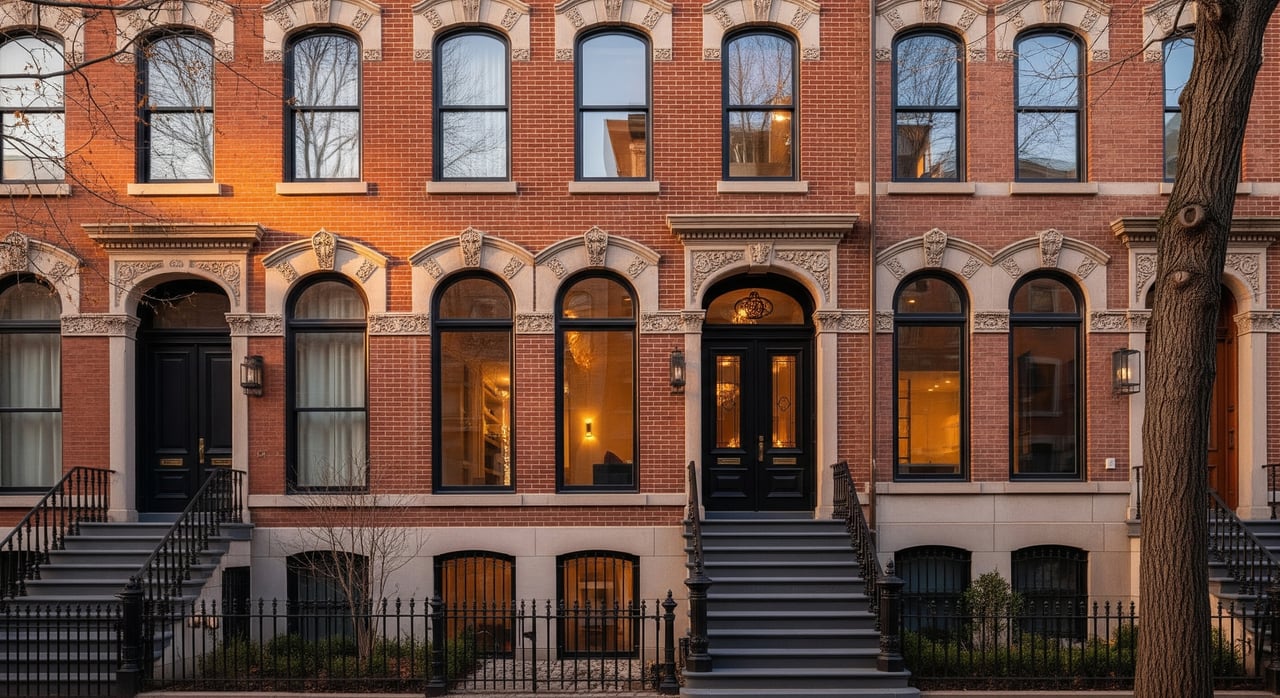
Fairmount sits just north of the Benjamin Franklin Parkway and the Art Museum. You will see a dense, walkable neighborhood with historic rowhouses, compact three-story “trinity” homes, carriage-house conversions, and a handful of low-rise condo buildings. Listings often feature short, narrow lots, garden or English basements, and a mix of renovated spaces and older homes that need updates.
Common property types you will see in Bright MLS include Row/Townhouse, Condo, Twin/Semi-Detached, and Multi-Unit. You will also notice descriptive terms like “trinity,” “bi-level,” “garden level,” and “English basement.” Phrases such as “updated kitchen,” “exposed brick,” and “original wide plank floors” are frequent selling points. “As-is” or “needs TLC” signal condition items to investigate.
Decode key MLS terms
Structural and layout terms
- Trinity: Small, narrow three-level rowhouse. Often one main room per floor with many stairs and tight square footage.
- Bi-level: Two primary floor levels separated by a short staircase or two finished levels that create a split. Flow can be non-traditional.
- Garden level or English basement: Partially below grade with low windows. Check light, ceiling height, egress, and moisture risk.
- Parlor level: Main living spaces sit up from the street. Expect stairs at entry.
Room and bath shorthand
- BR = bedroom; BA = bathroom; FB = full bath; HB or 1/2 BA = half bath.
- Ensuite = attached bath.
- Fin attic = finished attic; finished bsmt = finished basement. Confirm ceiling height and legal egress.
Status, pricing, and history
- Active / Active Under Contract / Under Contract / Pending / Closed: Different stages of availability. “Active Under Contract” often means showings may continue and backups may be welcome.
- Original List Price vs Current List Price: Compare to spot reductions.
- Price Change History and Listing History: Review for reductions, cancellations, or relists.
Finance and sale conditions
- As-is: Seller will not make repairs. Inspections can still be part of your contingency plan unless waived.
- Owner financing or assumable loan: Rare, but flagged if available.
- Seller concession or closing cost credit: May be offered and noted in remarks.
HOA and association shorthand
- HOA/Condo Fee: Monthly amount is shown, but coverage varies. Ask what is included, such as exterior maintenance, water, trash, or master insurance.
- CC&R, Bylaws, Resale Certificate: Signal formal association governance. Request the full documents.
Photos and floor plans: what to look for
Photos tell you more than the captions. Scan carefully for condition and layout clues.
- Exterior: Roofline issues, missing shingles, sagging, gutter condition, visible cracks in foundation, porch and stoop wear, and rear parking options.
- Entry and circulation: Narrow or steep stairs, missing handrails, uneven floors that show as tilted furniture.
- Interior surfaces: Water stains, peeling paint, signs of mold or efflorescence, bulging walls, or missing trim that hints at recent work.
- Windows and light: Original single-pane versus double-pane replacements, condensation failure, and light levels in garden units.
- Mechanical systems: Look for photos of the water heater, furnace, and electric panel. If these are missing, request service records and dates of installation.
Staging can hide size and condition. Wide-angle lenses make rooms appear larger, so compare door and window placements across photos to estimate true dimensions. If the listing omits the roof, rear yard, or basement, ask for photos. MLS square footage is often approximate, so confirm by deed or appraisal if size is critical. If a floor plan is not posted, ask the listing agent.
Taxes and abatements in Philadelphia
MLS shows annual taxes, but you should verify current figures with the City’s Office of Property Assessment and recent tax bills. Condo taxes and exemptions can differ, and MLS entries sometimes reflect prior-year amounts.
Philadelphia’s 10-year tax abatement historically exempts the added assessed value from new construction or substantial improvements for up to 10 years. Abatements can transfer to new owners for remaining years, but you should confirm status and specifics through official records and with your attorney. Do not rely on a single “tax abatement” remark in the listing without verification.
Zoning, permits, and use
Zoning controls what you can do with the property, from adding a deck to creating a separate unit or running a short-term rental. MLS does not capture all restrictions. Many Fairmount blocks are in residential districts with rules that limit expansions. If you are planning renovations or a change of use, check Department of Licenses and Inspections records and permit requirements before you commit.
Reading Days on Market like a pro
Days on Market (DOM) can signal demand and pricing, but it has limits. Short DOM often reflects high demand or a well-priced home. In Fairmount, smaller updated rowhomes and condos tend to move faster than larger fixers.
Relists can reset DOM, so do not rely on a single number. Review the full listing history for cancellations, brokerage transfers, or MLS number changes. Look at price reduction timing. Several reductions over weeks usually mean the market pushed back on price. One early reduction may reflect a pricing test.
Use these rule-of-thumb ranges as a starting point:
- DOM under 7 to 14 days: Very active and competitive. Multiple offers are possible.
- DOM 30 to 90 days: Neutral market or a slight misprice or condition hurdle.
- DOM over 90 days: Time for deeper investigation on price, condition, title, or financing.
Always pair DOM with photos, remarks, and your agent’s comps.
HOA and condo documents to request
The monthly fee is only step one. You need the paperwork to judge risk and future costs.
- Current budget and next year’s proposed budget.
- Last 2 to 3 years of board meeting minutes.
- Bylaws, rules, and any rental or pet restrictions.
- Reserve study if available and the insurance certificate for the master policy.
- Details on special assessments, planned capital projects, and any litigation or code violations.
Pennsylvania procedures for condo resales and disclosures vary, so have a buyer’s attorney review the package. MLS notes are not a substitute for legal review.
Quick checklists to use today
Quick Listing Scan — 30 seconds
- Confirm neighborhood and block location.
- Property type: Row/Townhouse, Condo, Multi-unit, or Trinity.
- Price vs nearby recent sales from your agent’s comps.
- DOM and price history: any reductions or relists.
- HOA fee if a condo and the monthly tax line.
- Missing key photos such as roof, basement, or rear yard.
Detailed Listing Review — 5 to 10 minutes
- Read public and agent remarks for exclusions, showing rules, or special conditions.
- Inspect all photos for stains, roof clues, foundation lines, stairs, and mechanicals.
- Review listing history for reductions and status changes.
- Confirm tax and abatement notes using City records.
- Note “as-is” or “subject to seller finding suitable housing.”
- If a condo, record the fee and request the HOA docs list above.
Before a showing or offer
- Ask for the seller property disclosure, any inspection reports, and service records.
- Confirm utility hookups and check for open permits or violations.
- Verify any tax abatement and remaining years.
- Ask about past issues like water in the basement or roof leaks.
- For older buildings, plan targeted inspections for electrical, plumbing, and structural systems.
Common pitfalls to avoid
- Missing photos of the basement, rear, or roof. Request them before touring.
- Several quick price drops. Could be a signal of hidden issues or a negotiating window.
- As-is language. Do not waive inspections without understanding the risk.
- Small square footage with “open concept” photos. Verify measurements and legal egress, especially for garden or basement bedrooms.
- Very low HOA fee with no reserves. Low dues can hide deferred capital repairs.
Next steps and how we help
You do not need to decode Fairmount listings alone. Our team pairs neighborhood knowledge with a clear, education-first process. We help you read MLS history, verify taxes and abatements, request the right condo docs, and align inspections with the age and style of each property. With role-specialized agents and integrated lending and title partners, you get a smooth path from search to close.
If you are ready to tour or want a second set of eyes on a listing, reach out to Best Philly Homes. We will help you move forward with confidence.
FAQs
What does “trinity home” mean in Fairmount listings?
- A compact three-level rowhouse with a narrow footprint and one main room per floor, which means many stairs and tight square footage.
How do I verify a Philadelphia tax abatement on a listing?
- Check the City’s official records for the property’s assessed value and tax bill history, then confirm any remaining abatement years with the City and your attorney.
What does “Active Under Contract” mean for buyers?
- The seller has accepted an offer but may allow showings and backup offers, so you can often still view and submit a backup with the right terms.
How should I read HOA fees in Fairmount condo listings?
- The monthly number is not enough. Request budgets, minutes, bylaws, reserves, and insurance details to understand coverage and future assessment risk.
What is a good Days on Market number in Fairmount?
- Under 7 to 14 days often signals strong interest. Over 30 to 90 days could mean mispricing or condition challenges, and over 90 days calls for deeper review.