Rowhome vs. Townhouse in Philadelphia’s Fairmount
November 21, 2025
November 21, 2025
Trying to decide between a classic Philly rowhome and a modern townhouse in Fairmount? You are not alone. Each option offers a different feel, maintenance profile, and path to resale value, and the terms are often used loosely in listings. This guide breaks down what matters most, so you can line up features with your lifestyle, budget, and long-term plans. Let’s dive in.
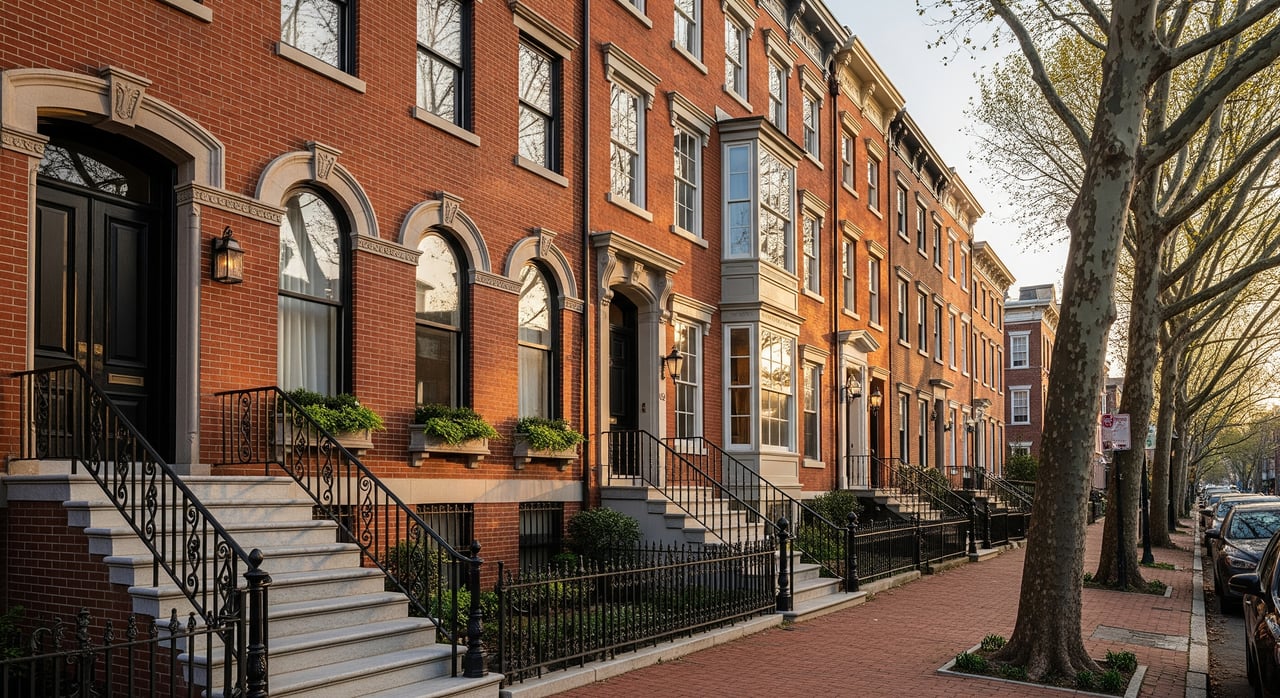
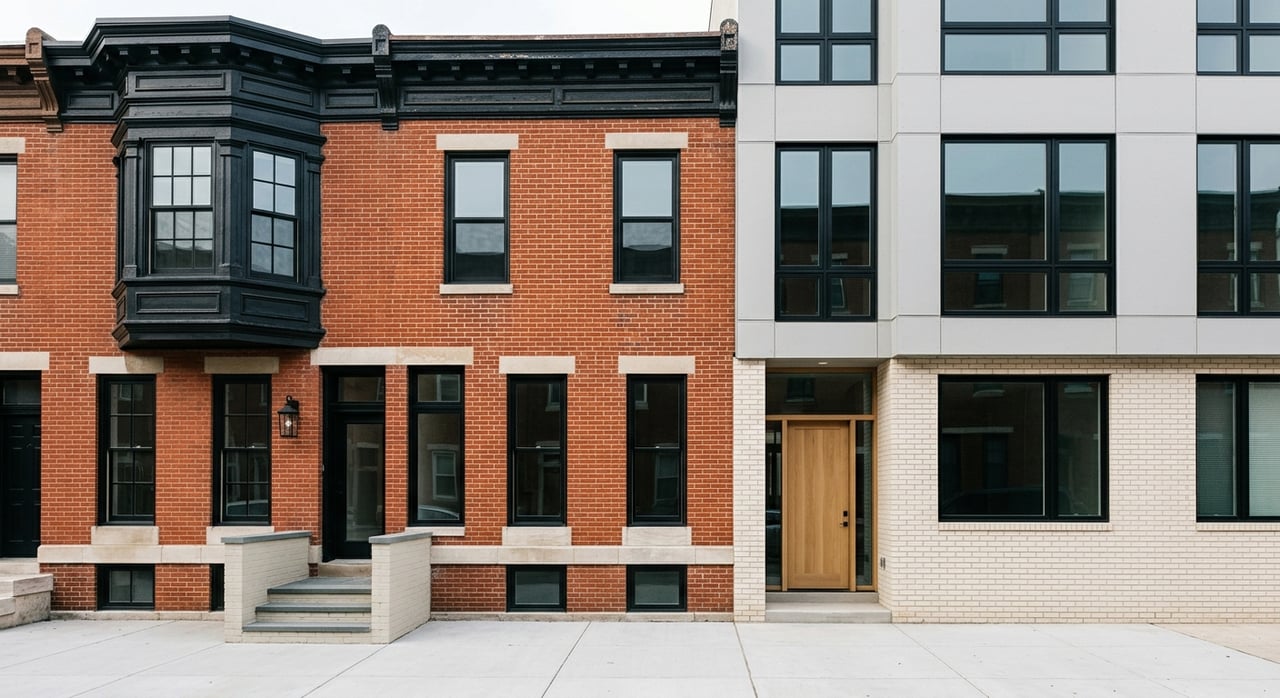
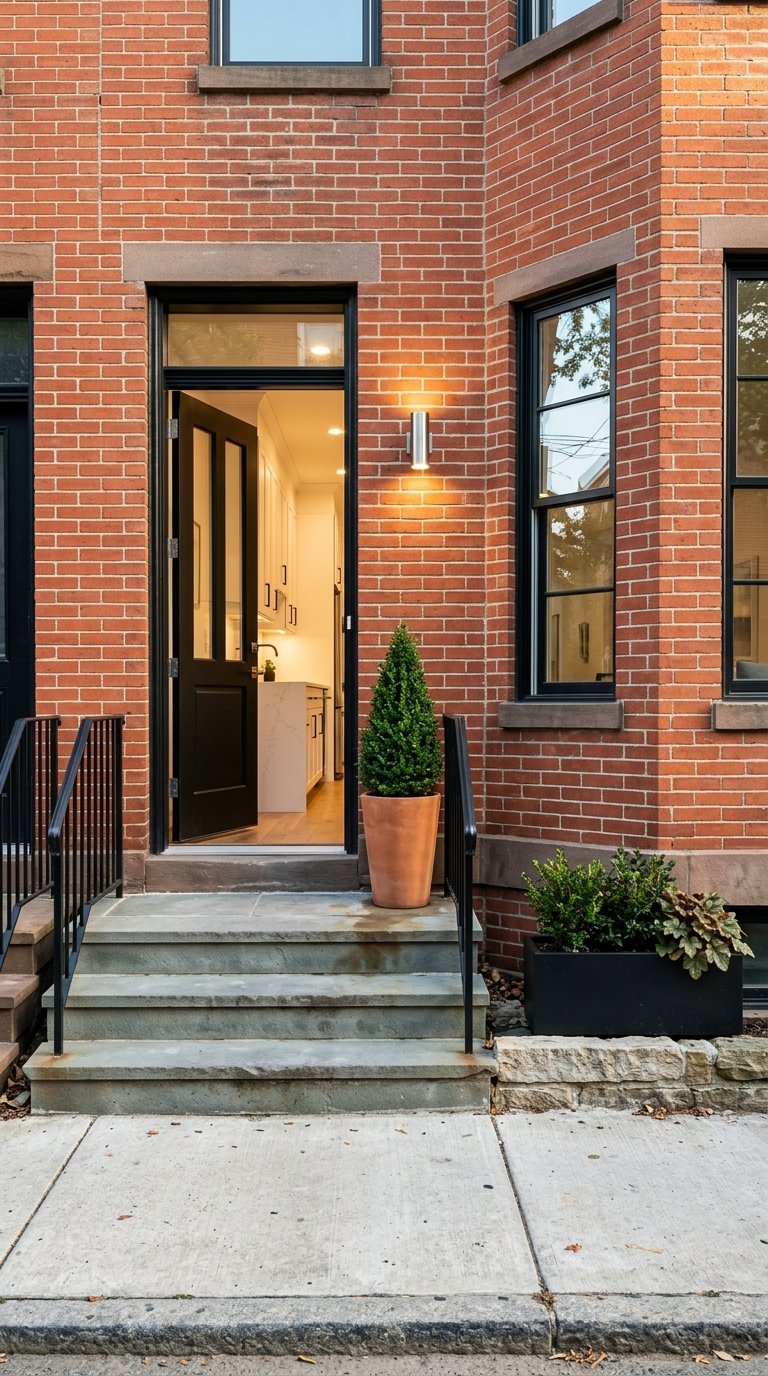
In Philadelphia, “rowhome” usually means a narrow, attached masonry house built in a continuous row. Most date from the late 1800s to early 1900s, with shared party walls and small rear yards. This is the classic Philly housing type you see throughout Fairmount.
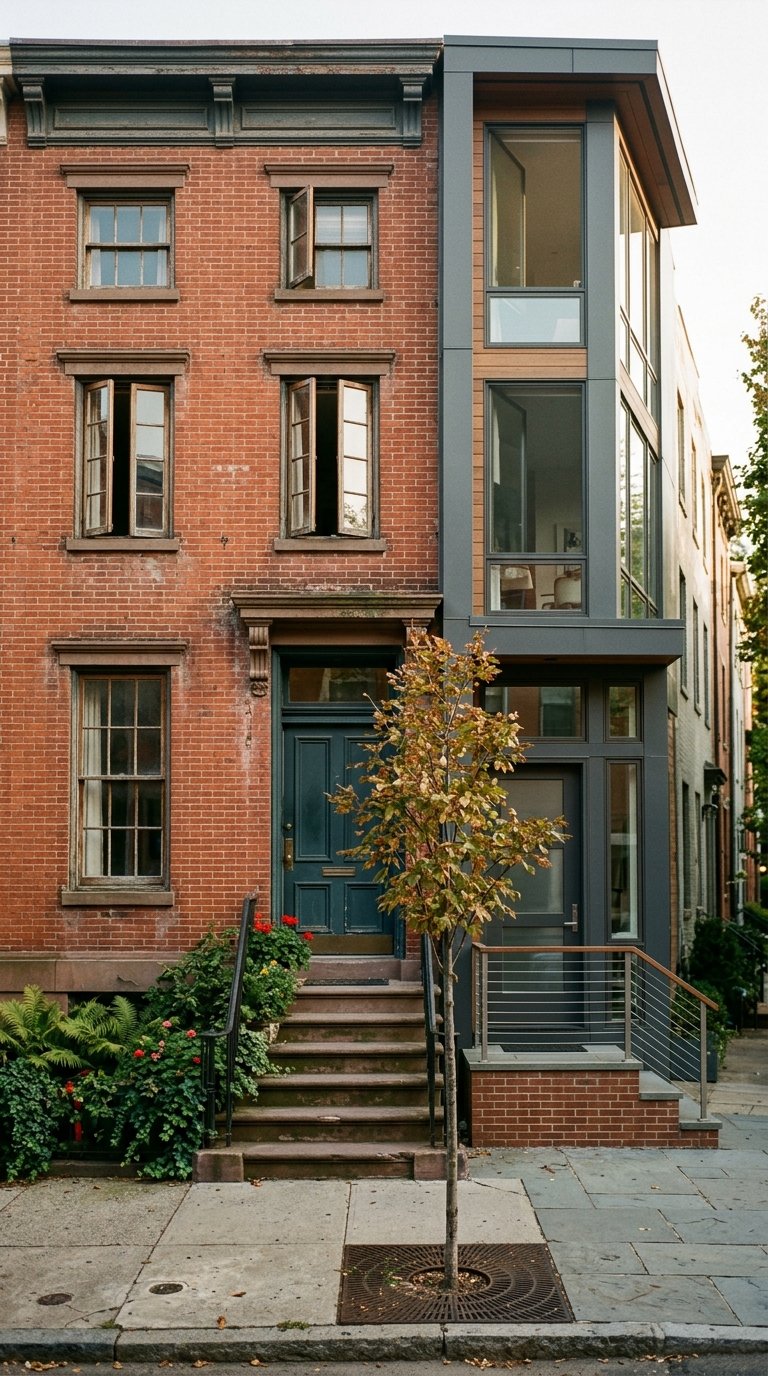
“Townhouse” is a broader marketing term in the city. It might describe a renovated historic rowhome positioned as modern, a newer attached home with wider floor plans and updated systems, or a small development that includes shared amenities and a homeowners association. In practice, agents and buyers often use the terms interchangeably. Focus on the features, age, condition, and ownership structure rather than the label.
Older rowhomes in Fairmount tend to be 12 to 18 feet wide with deep lots and a vertical layout. You will often find a parlor-style main floor, bedrooms stacked above, and a basement below. The narrow width shapes room sizes and furniture placement, but it also creates efficient circulation.
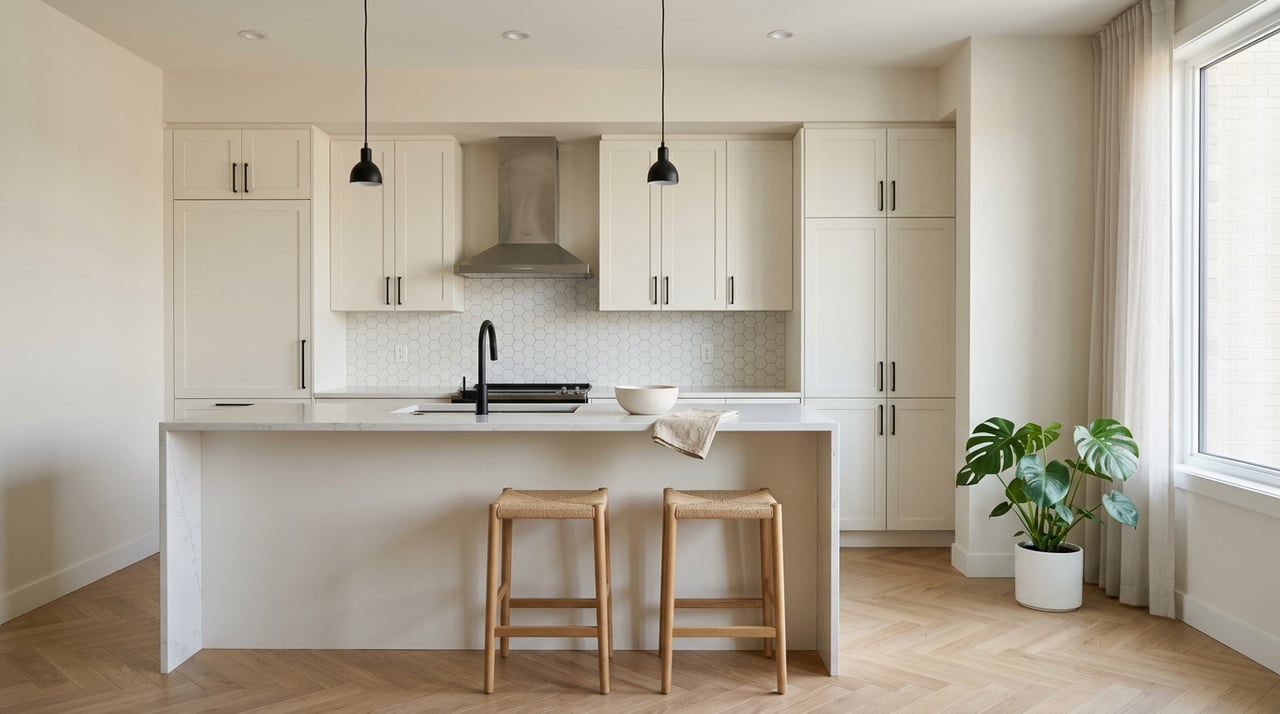
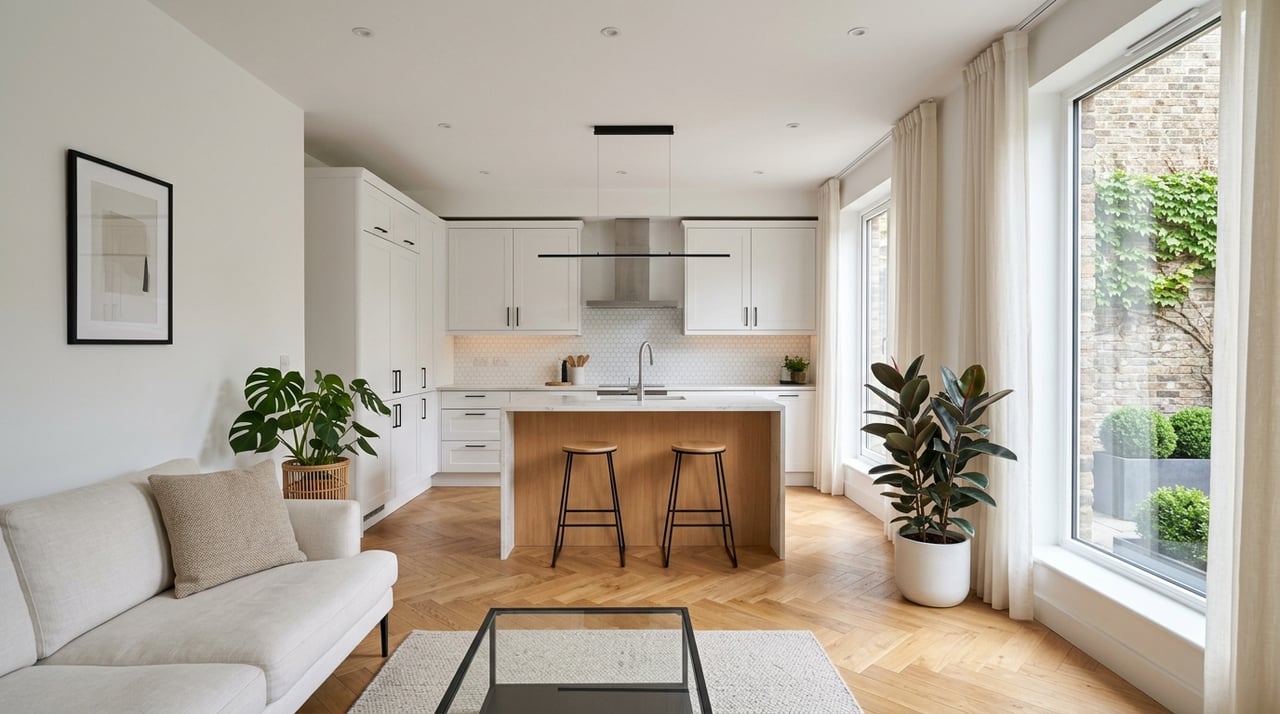
Newer or newly built townhouses often have wider footprints, open kitchens, and a main level designed for entertaining. Many include flexible spaces like a den or office. Some newer builds add rooftop decks, rear additions, or integrated garages.
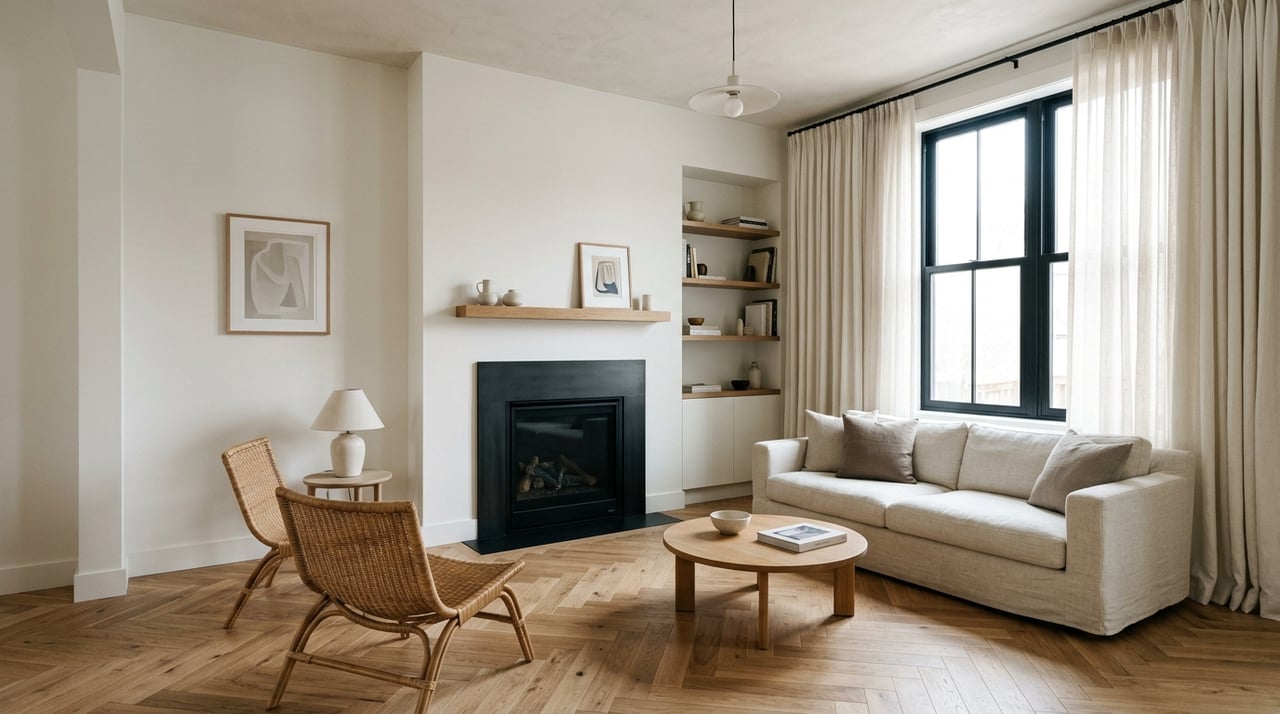
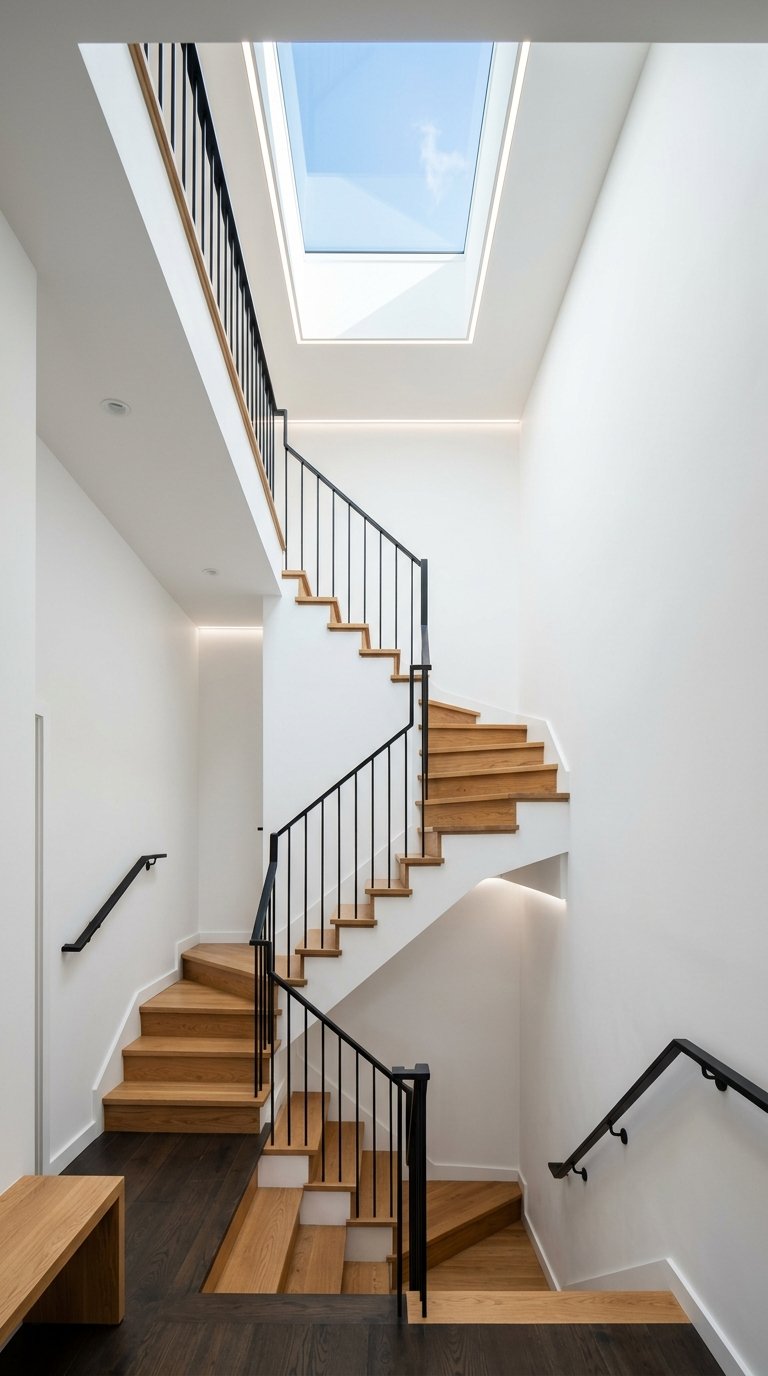
Many historic rowhomes have high ceilings and tall windows at the front and back. The middle of the house can feel darker, which is why renovations sometimes open walls or introduce light wells. When updated well, you can get the best of both worlds, character and better light.
Newer townhouses aim for a brighter, open feel with larger window openings and fewer interior walls. If natural light is a top priority, compare how each home handles windows, ceiling height, and sightlines from the front door to the rear.
Rowhomes are typically masonry bearing-wall structures with shared party walls. This construction reduces exterior exposure but can transfer moisture or noise along the wall. Systems vary widely by property, from original elements to fully modernized electrical, plumbing, and HVAC.
Newer townhouses usually meet contemporary code for insulation and mechanicals. You will often see central air, updated wiring, and newer plumbing already in place. This reduces immediate to-do lists, though quality still depends on the builder and permits.
A thorough inspection and contractor estimates will help you prioritize safety, mechanicals, and envelope first, then plan cosmetic updates.
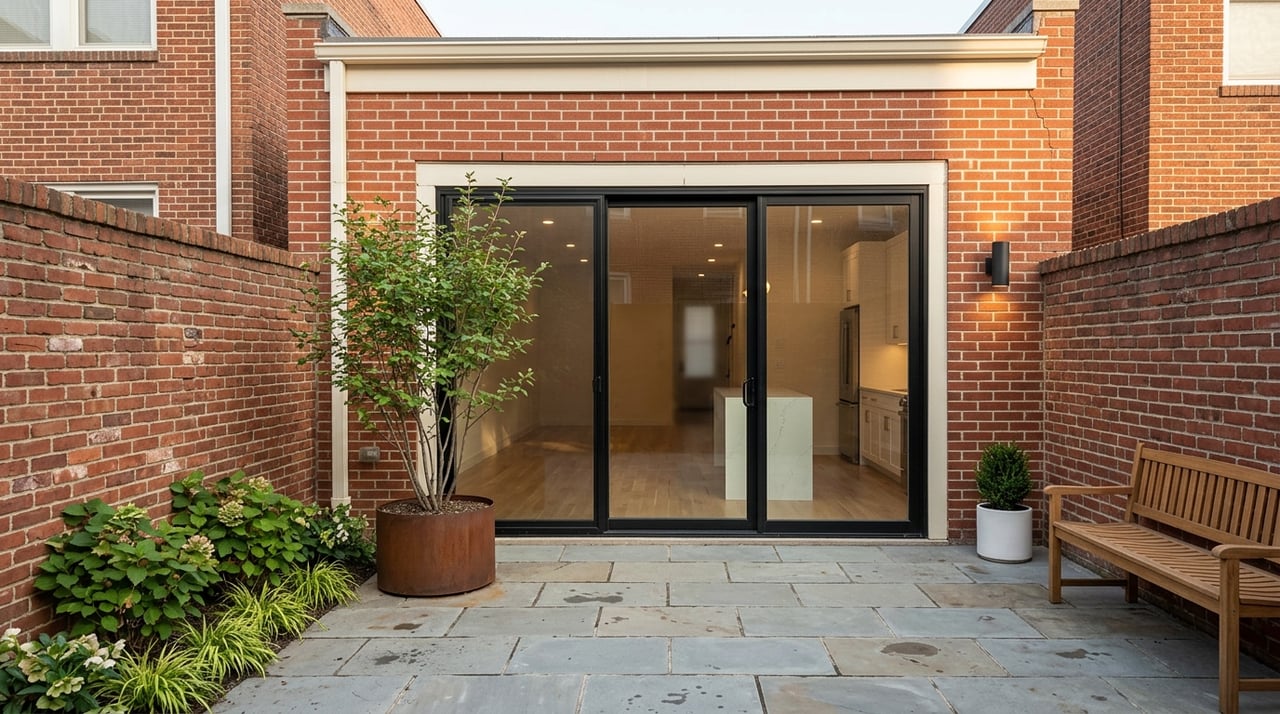
Most historic rowhomes offer a small rear yard and a front stoop or porch. Some blocks have alley access, which can help with trash storage or bike entry. On-street permit parking is the norm for many Fairmount addresses.
Townhouses, especially newer infill, more often include parking and outdoor upgrades. You might find integrated garages, driveway spaces, rooftop decks, or larger rear yards if the home sits on a wider lot. Off-street parking is a valued feature for daily convenience and resale.
Parts of Fairmount fall within local historic districts or sit near conservation areas. If a property is within a designated district, exterior work, such as façade, windows, stoops, and roofing visible from the street, usually requires review and approval. Interiors are generally not regulated unless the property is protected in a way that includes interiors. Always confirm historic status and approvals before planning exterior changes.
Renovations that involve structure, egress, or major electrical, plumbing, or HVAC upgrades require permits from the city’s Department of Licenses and Inspections. Ask for permit history and certificates of occupancy on any renovated property you are considering.
Ownership form also matters. Most older rowhomes are fee simple with no HOA. Some townhouse developments are condominiums or planned communities with HOAs that collect fees for shared services. HOAs change monthly costs, maintenance responsibilities, and resale considerations, so review documents carefully.
Homes built before 1978 should be presumed to have lead-based paint on some surfaces. If children or pregnant residents will live in the home, plan for proper disclosure and safe handling during any work. Older buildings may also contain materials that require special protocols during renovation. Ask inspectors and contractors how to address these safely.
Unrenovated rowhomes can be thermally inefficient. Without insulation upgrades and modern systems, you might see higher utility costs and seasonal swings. Attic insulation, targeted wall strategies, air sealing, and energy-efficient windows can help. In historic districts, visible exterior changes, such as window replacements, may require approvals.
Newer townhouses generally meet modern energy codes, which helps with comfort and predictable bills. If energy performance is a priority, compare HVAC age and efficiency, insulation in attics or roof decks, and the window package across properties.
With older rowhomes, budget for safety and mechanical updates first, then plan medium-term items like roof, masonry, and window work, followed by cosmetic upgrades. The cost curve depends on the property’s starting condition and the scope of your plans, which is why inspection-based quotes are key.
Financing attached single-family rowhomes typically follows standard conventional guidelines. If the property is a condo-structured townhouse, your lender will review HOA documents and reserves. For older homes, lenders may require specific issues be addressed before closing, such as electrical or plumbing hazards.
Insurance carriers may underwrite older materials differently, such as masonry walls, slate roofs, or chimneys. Confirm coverage availability and replacement-cost estimates early, especially if the home features specialized materials.
Choose a classic Fairmount rowhome if you love historic character, cozy stoops, and the chance to personalize over time. You get a fee simple structure with fewer monthly fees, and you can adapt the home at your pace with the right permits.
Choose a newer or fully renovated townhouse if you value modern systems, open layouts, parking, and outdoor living ready on day one. You might pay a premium for move-in-ready convenience and amenities like a roof deck, but you reduce the near-term project list.
If you are on the fence, focus on day-to-day living. Picture where you cook, how you work from home, where you store bikes or strollers, and how you entertain. Then look at the property that best supports those routines.
Homes in Fairmount benefit from proximity to the Parkway, Fairmount Park, and Center City. Both classic and modern styles attract buyers, but certain features often help values. Modern kitchens and baths paired with preserved historic character market well. Quality additions and finished basements add usable square footage when done with proper permits.
Off-street parking, secure storage, and energy-efficient systems help with marketability. Compliance with historic rules for visible exterior work avoids buyer concerns later. If you are comparing an unrenovated rowhome to a turnkey townhouse, weigh the cost to reach your target standard against paying for it upfront.
In Fairmount, the rowhome versus townhouse choice is less about the name and more about age, systems, layout, parking, and approvals. A historic rowhome can deliver charm and value if you are willing to manage upgrades thoughtfully. A newer or fully updated townhouse offers convenience and modern comfort with fewer near-term projects.
If you want a clear, local path from first tour to closing, our team can help you compare options, line up inspections and permits, and coordinate lending and title. Reach out to the neighborhood-first team at Best Philly Homes to start your Fairmount search with confidence.
Stay up to date on the latest real estate trends.

We pride ourselves in providing personalized solutions that bring our clients closer to their dream properties and enhance their long-term wealth. Contact us today to find out how we can be of assistance to you!