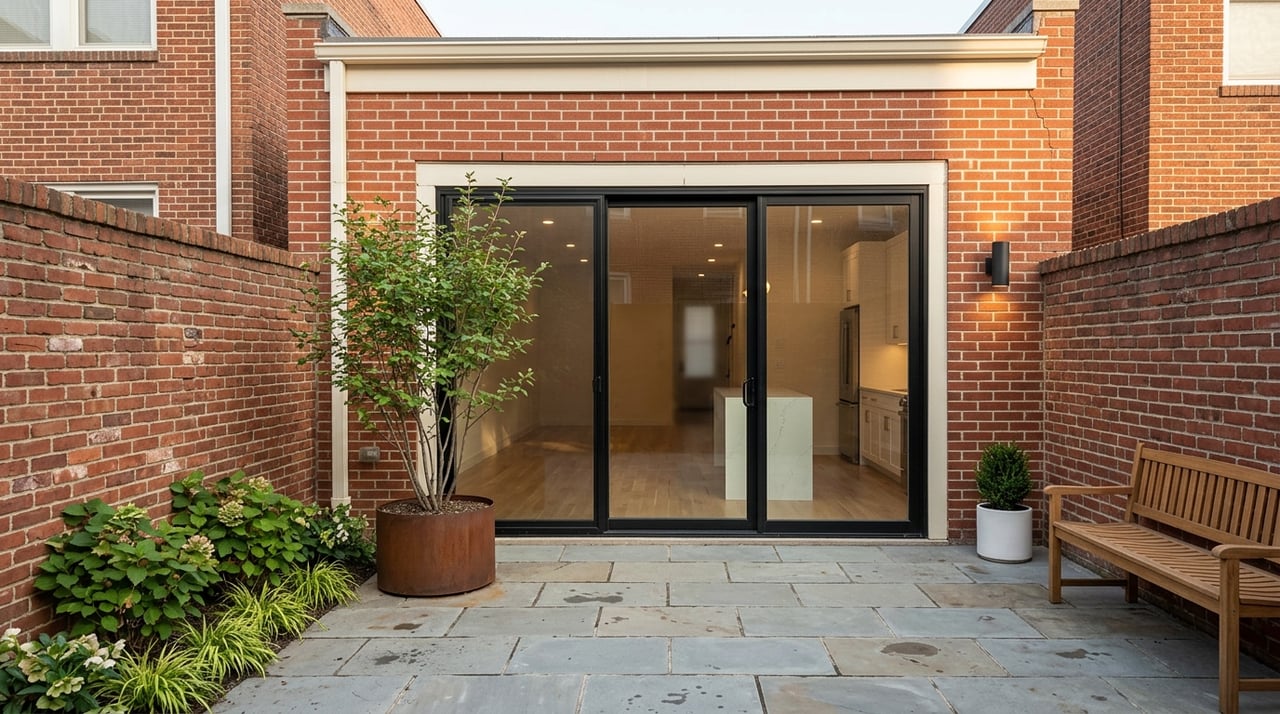
Moving Up In East Passyunk: From Condo To Rowhome
July 23, 2026
July 23, 2026
Thinking about trading your condo for a rowhome in East Passyunk? You are not alone. In a neighborhood shaped by attached homes and older housing stock, moving up often means balancing more space and privacy against higher maintenance and a more complex buying and selling timeline. This guide will help you think through equity, timing, taxes, and what to look for in an older or renovated rowhome so you can make your next move with confidence. Let’s dive in.
East Passyunk is already built for this kind of move. NeighborhoodScout reports that 88.7% of homes here are rowhouses or other attached homes, and 73.5% of the housing stock was built no later than 1939. That means many buyers looking to stay in the neighborhood are not choosing between totally different lifestyles. They are choosing between different versions of city living.
For many condo owners, a rowhome can mean more room, more autonomy, and fewer shared-building rules. At the same time, that shift usually comes with more direct responsibility for repairs and upkeep. In East Passyunk Crossing, that tradeoff matters because so much of the housing stock is older and attached.
Pricing also shows a neighborhood with real move-up potential. Zillow’s East Passyunk home value index was $379,301 as of June 30, 2026, up 4.3% year over year, while Redfin showed a median sale price of $461,845 for the three months ending May 2026, with homes selling in about 32 days. The exact figure depends on the source and method, but both point to an active market where planning ahead matters.
Before you shop for a rowhome, you need a clear picture of what your condo can contribute to the next purchase. Equity is the difference between your property’s current value and what you still owe on your mortgage. That number is the starting point, not the final amount you will have available.
Your true move-up budget should account for mortgage payoff, selling costs, and Philadelphia’s Realty Transfer Tax. The city’s current transfer tax is 4.578% of the sale price or assessed value plus any assumed debt, and it is due when the sale document is recorded. That can take a meaningful bite out of your proceeds, so it should be part of the math from day one.
You should also look at your future monthly costs, not just your down payment. Philadelphia’s current Real Estate Tax rate is 1.3998% of assessed value, with taxes due March 31 each year. If your condo includes HOA or condo fees today, a rowhome may reduce or eliminate those fees, but you may also take on more direct maintenance costs yourself.
A condo and a rowhome can have very different cost structures, even when the monthly payment looks similar at first glance. Condo owners often pay HOA dues separately from the mortgage, and those dues may cover shared maintenance and building expenses. A rowhome may give you more control, but it also puts more responsibility on you.
That shift can be a good thing if you want more independence. It can also be a surprise if you are used to shared systems being handled by an association. As you compare options, budget for repairs, property taxes, insurance, and routine upkeep, not just principal and interest.
One of the biggest questions is timing. Do you sell your condo first, buy first, or create a short gap between homes? In many cases, selling first is the simplest route because it reduces the risk of carrying two housing payments at once and gives you a firmer budget for the purchase.
If the timing does not line up, there are other paths. Some buyers sell, lease for a short period, and then buy once they are ready. Others explore temporary bridge financing, which mortgage rules recognize for up to 12 months when you are buying a new home while planning to sell your current one.
Bridge financing can help, but it works best as a short-term tool, not a default plan. If you are considering a home equity loan or HELOC to help fund the move, remember that these are secured by your current home and repayment matters. If monthly cash flow would feel tight, it may be smarter to choose a sequence with less pressure.
In a somewhat competitive market, preapproval is more than a box to check. Sellers often want to see it before they take an offer seriously. It helps show that you are ready and that your financing has already been reviewed at a basic level.
The timing matters, though. Preapproval letters often expire in 30 to 60 days, so it makes sense to apply when you are truly close to writing offers. If you plan to sell, lease briefly, and then buy, you may want to wait until that buying window is real instead of starting too early.
Moving from a condo to a rowhome in East Passyunk is often less about square footage alone and more about building condition. Because much of the neighborhood’s housing stock is older, two homes with similar finishes can offer very different ownership experiences. A fresh kitchen does not always tell you what is happening with the roof, walls, drainage, or electrical system.
Philadelphia’s Rowhouse Manual notes that many rowhouses were built with minimal insulation, though shared party walls can help reduce heat loss. The manual also points buyers toward the systems and areas that deserve close attention over time. In practical terms, you want to understand how the house performs, not just how it photographs.
Older rowhomes can offer character, location, and long-term value, but they reward careful inspection. Philadelphia guidance highlights several areas that deserve extra attention:
Some issues deserve even more urgency. The city’s rowhouse guidance says foundation problems, tilted or cracked basement walls, and rotten joists merit immediate remediation. That is why a home inspection matters so much when you are moving into an older home.
An inspection is especially useful for structural and mechanical systems such as heating, ventilation, air conditioning, and electrical. Even if a house looks polished, you want to know what is happening behind the walls and below the finishes. In East Passyunk, that level of diligence can save you from expensive surprises later.
A renovated rowhome can feel like the perfect step up from condo living. You may get updated finishes, modern layouts, and fewer near-term projects. But the phrase fully renovated should lead to more questions, not fewer.
Philadelphia requires a building permit before changes to the interior or exterior of an existing structure. Separate electrical and plumbing permits are required for that trade work. Some projects may qualify for EZ permits, but buyers should still ask for permit numbers, final sign-offs, and contractor details.
This matters because cosmetic work can hide older problems. You should also ask whether the property has previously flooded or been damaged, and look for signs of improper repair. If recent finishes were installed over older water issues, that can affect value, future repair costs, and insurance.
In this part of Philadelphia, a roof deck can be a major selling point. It adds usable outdoor space and often helps a rowhome feel like a bigger lifestyle upgrade. But it should also trigger a few practical questions.
Philadelphia’s rowhouse guidance says roof decks require zoning and building permits, and a deck does not waterproof the house. If a listing includes one, ask about permits, roof condition, drainage, and any recent roofing work. It is a feature worth having, but only if the underlying work was done properly.
When you find the right house, do not let excitement erase smart guardrails. In a competitive market, it is tempting to move fast and keep the offer simple. But protections still matter, especially when you are buying an older rowhome.
A financing contingency can protect you if your loan is denied. An inspection contingency can give you options if serious issues come up after you go under contract. In East Passyunk Crossing, where housing age and condition can vary a lot from one block to the next, those contingencies can be especially important.
For most condo owners, moving up in East Passyunk is a trade between convenience and control. You may be leaving behind HOA dues and shared systems, but stepping into more space, more privacy, and more maintenance responsibility. The right move depends on your equity, your timing, and how comfortable you are with the realities of older Philadelphia housing.
The good news is that this is exactly the kind of move that benefits from neighborhood-specific guidance. East Passyunk is not a generic market, and rowhomes are not generic homes. If you want help evaluating your condo’s value, mapping out a buy-sell timeline, and comparing rowhome options block by block, Best Philly Homes is here to help.
Stay up to date on the latest real estate trends.



We pride ourselves in providing personalized solutions that bring our clients closer to their dream properties and enhance their long-term wealth. Contact us today to find out how we can be of assistance to you!